CEI seeks to protect the right to vote in Wisconsin
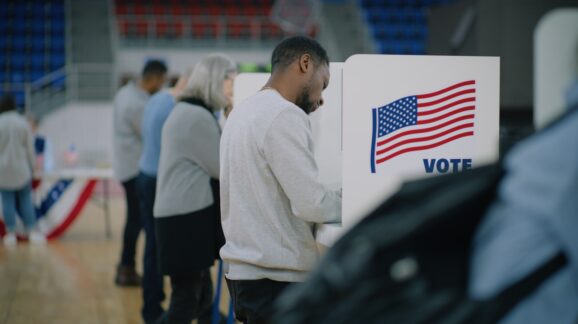
Photo Credit: Getty
CEI filed a Motion for Preliminary Injunction asking a federal court to protect Wisconsinites’ right to vote ahead of the general election on November 3. Earlier this year, the Wisconsin Elections Commission (WEC) threatened to strip the vote from Wisconsin citizens who participate in prediction markets related to state elections. Claiming that such prediction markets are tantamount to betting on elections, the WEC claims that voters cannot cast a ballot in an election they have bet on.
At CEI, we have long argued that transactions on prediction markets are not bets, but are more akin to investments in commodity market futures and options. On October 21, CEI filed a motion for a preliminary injunction in the US District Court for the Eastern District of Wisconsin on behalf of Joseph Giganti Sr., host of the nationally syndicated The Regular Joe Show. Giganti is a registered voter in the Village of Bellevue, Wisconsin, who wants to participate in prediction markets covering several state and federal races.
Giganti opened a Polymarket US account and intends to purchase between $50 and $100 worth of election contracts for several Wisconsin contests, including the gubernatorial race and four congressional races. He has refrained from doing so because a public warning issued by the WEC in July threatened to disqualify voters who purchase election contracts from voting in the same election and potentially subject them to felony prosecution.
CEI’s motion argues that the WEC is threatening to impose an unconstitutional burden on Giganti’s right to vote. Excluding an otherwise qualified citizen from the poll booth is a severe restriction on a fundamental right and must be narrowly tailored to serve a compelling state interest.
Wisconsin already has laws directly prohibiting election bribery, multiple voting, and ballot tampering. Giganti’s proposed transactions do not involve any of these prohibited activities. Rather, he wants to make modest financial investments tied to election outcomes while exercising his right to vote.
The motion also explains why relief is needed before Election Day: damages or a later judgment cannot restore a lost vote. The requested order would also protect him from voting-related prosecution based on those transactions, including prosecution arising from truthful answers about them in the eligibility oath addressed by the proposed order. The right to vote on November 3 should not depend on whether a qualified citizen participates in a legal prediction market.