Tinplate tariffs are a microcosm of larger harm
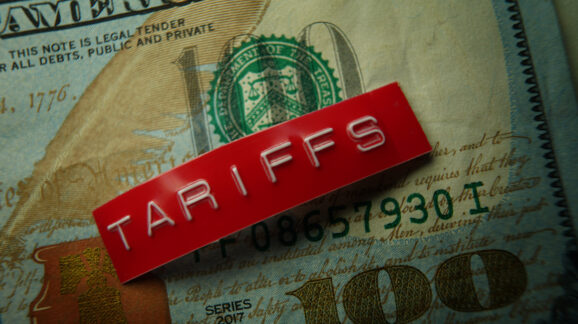
Photo Credit: Getty
Most of the talk about tariffs raising the cost of living is pretty abstract. In an op-ed syndicated by InsideSources, I look at how just one tariff, on tinplate steel, has very real consequences. For example, it makes food and drinks more expensive:
One study finds that the tinplate tariff adds 36 to 58 cents per can of corn. It also raises the price of canned soda and beer. Even if this raises the average family’s grocery bill by just a couple of dollars weekly, that can quickly add up to $100 or more annually from this one tariff.
That’s not all. The tinplate tariff is harming America’s relationship with Canada:
For tinplate tariffs, Trump cited Section 232 of the 1962 Trade Expansion Act, which allows presidents to enact tariffs on national security grounds.
This is difficult to do against Canada. So difficult, in fact, that when former Canadian Prime Minister Justin Trudeau phoned Trump after Trump’s first round of steel tariffs, Trump cited the War of 1812.
If the tinplate tariff’s goal was to jumpstart domestic production (currently 80 percent of tinplate is imported), then it hasn’t worked:
There used to be 12 American tinplate production lines. Now there are three. U.S. Steel’s Gary, Ind., plant is gearing up to add tinplate production, but it is unclear if this is a market decision or a political decision, given Trump’s golden share of U.S. Steel stock that lets him veto management decisions.
All those different harms are coming from just one tariff. Now scale that up across President Trump’s entire tariff agenda, and you get an idea of how much real-world harm tariffs can cause.
Problems need solutions. In the op-ed I briefly mention two reform bills: Sen. Chuck Schumer’s (D-NY) End Trump’s Tariffs Act and Sen. Rand Paul’s (R-KY) No Taxation Without Representation Act.
Read the whole op-ed here. For more reform ideas, see CEI’s Agenda for Congress chapter on trade, and the “Trade Under Blockade” paper I coauthored with Kent Lassman and Iain Murray. Kent and I weighed in the Schumer bill here.