A federal gas tax holiday won’t do much to ease the pain at the pump
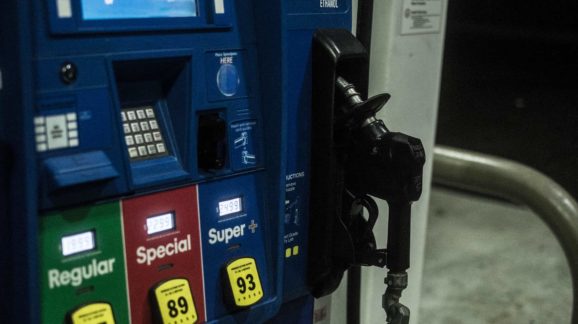
Photo Credit: Getty
The best policy ideas for making gasoline more affordable – faster permitting for domestic drilling and pipeline construction alongside fewer regulations targeting refineries or dictating gasoline formulas – take time to play out and will not have an immediate effect on the current national average price of $4.50 per gallon driven by the Iran conflict. In contrast, a federal gas tax holiday would provide only modest short-term relief. House and Senate bills have been introduced to temporarily waive the gas tax, which Congress has never done before. However, while considering a federal gas tax holiday Congress should weigh the pros and cons before taking action.
For perspective, the federal excise tax on gasoline is 18.4 cents per gallon (and 24.4 cents for diesel fuel). State taxes are generally higher – California’s is nearly 60 cents per gallon – but these can only be changed by the respective state legislatures. Federal and state taxes combined make up about 17 percent of the average retail price of gasoline.
A typical household using 20 gallons of gasoline per week would save at most $3.68 every week the federal gas tax holiday remained in effect. In reality, it would likely be less, as the actual market price people see at gas stations likely will not fall by the full 18.4 cents per gallon. Several state tax holidays in 2022 were estimated to pass on only 58 to 87 percent of the tax savings to consumers. As the Bipartisan Policy Center recently explained, “Using these estimates, gas prices from a federal gas tax suspension would fall by 10 to 16 cents per gallon.”
Thus, the upshot of a gas tax holiday would not be substantial. The same appears to be true of the other highly touted short-term response – releasing oil from the Strategic Petroleum Reserve – which is already underway but has had a negligible effect.
The funds from the federal gas tax go to the Highway Trust Fund, which pays for construction and maintenance of the interstate highway system as well as transit projects. Supporters of the Highway Trust Fund fear a federal gas tax holiday would exacerbate existing deficits and cause further harm to the quality of federally controlled transportation infrastructure. Others point to questionable spending in this program and are less concerned about the fate of the fund. Either way, the Highway Trust Fund shortfall would likely be offset by higher taxes elsewhere or additional deficit spending, trading negligible short-term savings at the pump for negligible .
The Trump administration has reversed many Biden administration policies that drive up energy prices, such as restrictions on oil leases. Many of these harmful policies prioritized climate change objectives over affordability for both transportation fuels and electricity generation. It is quite possible that this shift from Biden-era policies has prevented the Iran conflict from driving prices even further. These pro-supply policies should continue in the years ahead. But a federal gas tax holiday would most likely disappoint hard-pressed drivers struggling to afford a fill up.