Tariffs and inflation: Response to latest CPI release
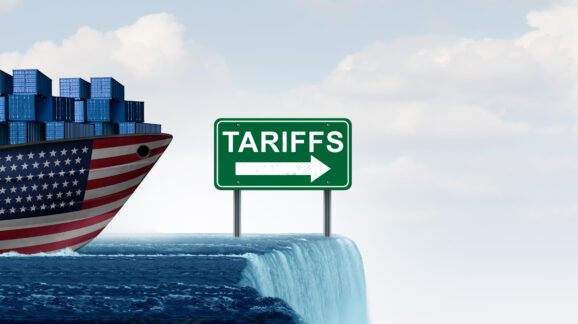
Photo Credit: Getty
On February 13th, the Bureau of Labor Statistics’ most recent CPI release showed a 0.2 percent month-to-month increase for January and a 2.4 percent year-over-year increase. Both values decreased from December, from 0.3 percent and 2.7 percent respectively.
These inflation metrics are lower than estimates from Bloomberg economists, which predicted 0.3 percent and 2.5 percent increases. Many anticipated “that firms would pass along more tariff-related costs to consumers,” driving higher inflation. Considering President Trump’s expansive tariff policy, why is this not reflected in larger CPI increases?
One explanation is that Trump often uses tariffs as a negotiation tool. He threatens high tariffs and either does not implement them or walks them back. TACO theory (Trump Always Chickens Out) notes that despite aggressive rhetoric, expectation of tariff restraint reduces market fears over a full-blown trade war and helps assets recover quickly. For example, in November Trump exempted or removed tariffs on many agricultural products. Trump is now considering reducing steel and aluminum tariffs.
In November 2025, federal tax expert Erica York charted large discrepancies between Trump’s April 2025 Liberation Day announcements and actual implemented rates. Trump used the International Emergency Economic Powers Act to threaten an average tariff rate of 23.2 percent on US trading partners. By November, the actual applied rate had more than halved to 10.8 percent.
The gap between announced and implemented tariff rates has reduced the price impact relative to early projections. However, it is important to remember that tariffs are not strictly inflationary. Tariffs are taxes on specific imported goods. They raise those goods’ prices relative to non-tariffed goods. But it is a one-time price increase, not the continuous price growth that would show up in each month’s CPI reading. True inflation requires ongoing money supply expansion.
For example, research published by Liberty Street found that roughly 86 percent of tariff costs fell on US importers, with import prices for tariffed goods rising 11 percent more than non-tariffed goods. This increase reflects not an overall change in the money supply (inflation), but rather a one-time jump in price. This “caused firms to reorganize supply chains,” which can affect prices for longer than a one-time tariff jump. But even this did not translate into a sustained acceleration of overall inflation, because tariffs do not affect the number of dollars in circulation. Unless tariffs expand repeatedly and are reinforced by monetary expansion, they are unlikely to cause sustained inflationary pressure.
While not inflationary, tariff-related price increases are still real. According to Erica York, “Trump tariffs amount to an average tax increase per US household of $1,000 in 2025 and $1,300 in 2026.” Although inflation is nearing target levels of 2 percent, Americans’ pockets will grow lighter as Trump’s trade crusade continues. Government intervention in the form of higher taxes will not improve affordability. Real growth through liberal free trade is much more effective, especially over the long run.