Capitalism is an inherently moral system of political economy, based on its voluntary nature and its reliance on virtuous human traits. The entity that embodies capitalism in the market – the firm or corporation – hones and enhances these virtues through a vast array of mutually beneficial exchanges, which
in turn enable further types of interactions beyond the realm of business. The genius of the market is that it enables a wide array of individuals, groupings, and associations to organize spontaneously to advance their various interests in a cooperative fashion that yields win-win arrangements.
in turn enable further types of interactions beyond the realm of business. The genius of the market is that it enables a wide array of individuals, groupings, and associations to organize spontaneously to advance their various interests in a cooperative fashion that yields win-win arrangements.
Featured Posts
Blog
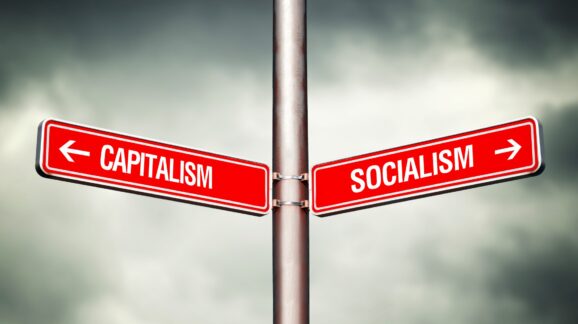
The consequences of American socialism: A review of John Kenneth Galbraith’s Economic Development
John Kenneth Galbraith’s 1963 book Economic Development asks the same question Adam Smith asked: where does wealth come from? His answers are very different…

Blog
The missing guardrail in crisis politics: Discipline
Modern American governance has developed a troubling pattern. Economic shocks like the 21st century’s financial panics and pandemic are often met with vast expansions of…
Blog
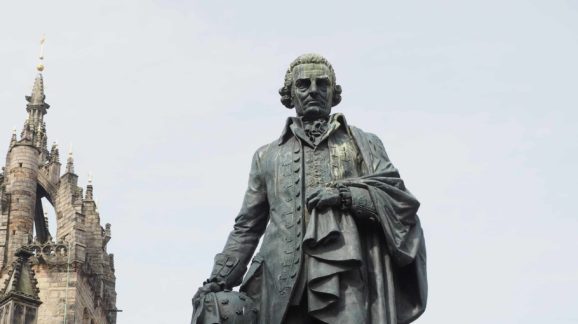
Happy birthday to the Wealth of Nations – and to CEI
Today is the 250th anniversary of the publication of perhaps the seminal work of economics, Adam Smith’s An Inquiry into the Nature and Causes of…