There are two main areas in which Congress can enact meaningful reform. The first is to rein in regulatory guidance documents, which we refer to as “regulatory dark matter,” whereby agencies regulate through Federal Register notices, guidance documents, and other means outside standard rulemaking procedure. The second is to enact a series of reforms to increase agency transparency and accountability of all regulation and guidance. These include annual regulatory report cards for rulemaking agencies and regulatory cost estimates from the Office of Management and Budget for more than just a small subset of rules.
In 2019, President Trump signed two executive orders aimed at stopping the practice of agencies using guidance documents to effectively implement policy without going through the legally required notice and comment process.
Featured Posts
Blog
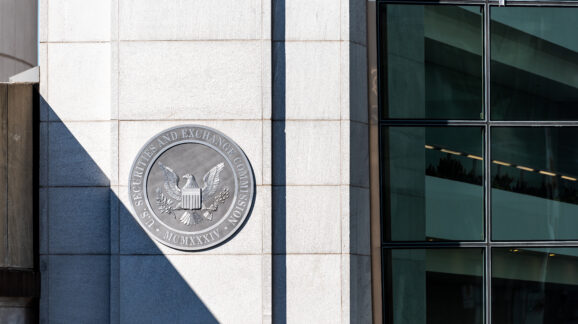
CEI urges SEC to return shareholder governance to states and firms
The Competitive Enterprise Institute (CEI) filed formal comments on November 20, 2026, supporting the Securities and Exchange Commission’s (SEC) proposal to rescind…

Blog
The regulatory turkey lost weight, but Washington’s still gobbling this Thanksgiving
With Thanksgiving approaching, we can celebrate a federal government regulatory turkey with a little less meat on its bones. That is, at least in…

Blog
The week in regulations: SIM cards and concrete permits
The FAA issued an hours-long nationwide ground stop due to its faulty computer systems. Outages also affected Microsoft, Apple, banks, and the NSA. President…
Search Posts
Forbes
What Comes After Trillion? Coming To Terms With The Impenetrable Costs Of Government Intervention
“We print it digitally,” Federal Reserve Chairman Jerome Powell said of money. They sure do. Real…
Blog
This Week in Ridiculous Regulations
The spring 2020 Unified Agenda was published on August 17. Due four months ago, it collects every rulemaking agency’s plans for upcoming regulations. The number…
National Review
App Shrugged: Will Uber Go Galt in California?
The rideshare company Uber is threatening to end its operations in California entirely if the Golden State forces the company to classify all its drivers as…
Blog
This Week in Ridiculous Regulations
Kamala Harris was announced as the Democratic dvice-presidential candidate, a massive storm swept through the Midwest, and Congress is out of session until September. The…
News Release
Regulatory Report Card Act Brings Accountability to Government, Wins Praise from CEI Expert
Rep. Paul Gosar (R-Arizona) introduced a Regulatory Report Card Act directing the Comptroller General of the United States to issue regulatory scorecards to agencies. The…
Blog
America’s “Unconstitutional Slop” Predates Trump’s Executive Actions on Pandemic Economic Relief
The logic of the administrative state dictates the expansion of itself in response to any crisis. Executive actions play a game rigged against limited government.
Staff & Scholars

Clyde Wayne Crews
Fred L. Smith Fellow in Regulatory Studies
- Business and Government
- Consumer Freedom
- Deregulation

Ryan Young
Senior Economist and Director of Publications
- Antitrust
- Business and Government
- Regulatory Reform

Fred L. Smith, Jr.
Founder; Chairman Emeritus
- Automobiles and Roads
- Aviation
- Business and Government

Sam Kazman
Counsel Emeritus
- Antitrust
- Automobiles and Roads
- Banking and Finance

Marlo Lewis, Jr.
Senior Fellow
- Climate
- Energy
- Energy and Environment