There are two main areas in which Congress can enact meaningful reform. The first is to rein in regulatory guidance documents, which we refer to as “regulatory dark matter,” whereby agencies regulate through Federal Register notices, guidance documents, and other means outside standard rulemaking procedure. The second is to enact a series of reforms to increase agency transparency and accountability of all regulation and guidance. These include annual regulatory report cards for rulemaking agencies and regulatory cost estimates from the Office of Management and Budget for more than just a small subset of rules.
In 2019, President Trump signed two executive orders aimed at stopping the practice of agencies using guidance documents to effectively implement policy without going through the legally required notice and comment process.
Featured Posts
Blog
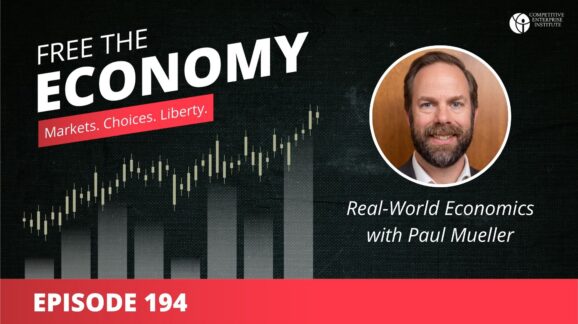
Free the Economy podcast: Real-world economics with Paul Mueller
In this week’s episode we cover spiraling health care costs, reforming state-level regulations, and how to keep asset managers accountable…

Blog
The week in regulations: Safe explosives and baker’s yeast
President Trump proposed an export ban on diesel fuel. Mortgage rates topped 7 percent. Agencies issued new regulations ranging from bank mergers to window…
Blog
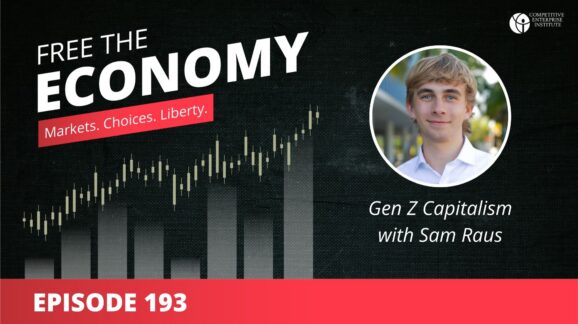
Free the Economy podcast: Gen Z capitalism with Sam Raus
In this week’s episode we cover how data centers power our lives, how modern technology is fueling family togetherness, and the…
Search Posts
Blog
CEI Podcast For March 28, 2013: The TSA’s Illegal Body Scanners
Despite a court order, the TSA is still dragging its feet on complying with the law. Fellow in Land-use and Transportation Studies Marc Scribner has…
Blog
White House Immigration Bill Will Be A Disaster Without Accessible Work Visas
President Obama’s recently leaked immigration bill left off the most important component of an immigration bill: the immigration part. Given the fact that the Chamber…
Blog
The Red Tape Challenge
Over at the Daily Caller, Christian Rice and I take a look at a successful regulatory reform model in the UK: the Red Tape Challenge:…
Blog
When The Nanny State Kills
The government told people to switch from saturated animal fats to unsaturated vegetable fats. But that advice may have killed a lot of people.
Blog
CEI’s Battered Business Bureau: The Week In Regulation
59 new regulations, from patent fees to pork export reports.
Blog
Vitter Amendment To Ban Drug Patent Settlements Would Raise Pharmaceutical Prices
With time running out for the Senate to act on a continuing budget resolution, members are trying to find some magic pot of money that…
Staff & Scholars

Clyde Wayne Crews
Fred L. Smith Fellow in Regulatory Studies
- Business and Government
- Consumer Freedom
- Deregulation

Ryan Young
Senior Economist and Director of Publications
- Antitrust
- Business and Government
- Regulatory Reform

Fred L. Smith, Jr.
Founder; Chairman Emeritus
- Automobiles and Roads
- Aviation
- Business and Government

Sam Kazman
Counsel Emeritus
- Antitrust
- Automobiles and Roads
- Banking and Finance

Marlo Lewis, Jr.
Senior Fellow
- Climate
- Energy
- Energy and Environment