There are two main areas in which Congress can enact meaningful reform. The first is to rein in regulatory guidance documents, which we refer to as “regulatory dark matter,” whereby agencies regulate through Federal Register notices, guidance documents, and other means outside standard rulemaking procedure. The second is to enact a series of reforms to increase agency transparency and accountability of all regulation and guidance. These include annual regulatory report cards for rulemaking agencies and regulatory cost estimates from the Office of Management and Budget for more than just a small subset of rules.
In 2019, President Trump signed two executive orders aimed at stopping the practice of agencies using guidance documents to effectively implement policy without going through the legally required notice and comment process.
Featured Posts
Blog
Free the Economy podcast: The Grim Old Days with Chelsea Follett
In this week’s episode we cover global energy security, a new lawsuit against Section 338 tariffs, and fresh talent in…

News Release
CEI challenges Wisconsin’s treatment of election prediction-market contracts
The Competitive Enterprise Institute has filed a federal lawsuit on behalf of Wisconsin voter and Green Bay radio host Joseph Giganti, Sr., challenging the…

Blog
The week in regulations: Salt substitutes and spiny lobster management
The new White House Press Secretary lasted five days before resigning. Sen. Elizabeth Warren is upset that one company makes two brands of hot…
Search Posts
Blog
FCC v. Fox Television: Protection Against Vague Laws Applies to Civil Cases and Protects Businesses
Past Supreme Court rulings like FCC v. Pacifica (1978) allow the federal government to ban "indecency" in broadcasting, and give the government a freer…
Blog
Supreme Court Rules against Union Forced Speech
Thomas Jefferson said that, "To compel a man to furnish contributions of money for the propagation of opinions which he disbelieves is sinful and…
Blog
Government Unions Stall San Diego Pension Reform
Collective bargaining privileges are facilitating the San Diego Municipal Employee Association’s (MEA) ability to wreak havoc over voter-approved pension reform. These privileges elevate union special…
Blog
A History of Interstate Commerce Part 1: Neither Interstate Nor Commerce
The Supreme Court’s impending decision on the constitutionality of the health care bill’s individual mandate presents a golden opportunity to review the history of the…
Blog
Google and Antitrust: Economic Liberty in the Balance
Way back when the DOJ brought an antitrust suit against Microsoft in 1990s, Milton Friedman had this to say to The Wall Street…
Blog
Alcohol Regulation Roundup: Longest Day Edition
Happy summer solstice everyone (it was yesterday, but this is the first full day of summer)! Wherever you are, I hope you're enjoying the maximum…
Staff & Scholars

Clyde Wayne Crews
Fred L. Smith Fellow in Regulatory Studies
- Business and Government
- Consumer Freedom
- Deregulation

Ryan Young
Senior Economist and Director of Publications
- Antitrust
- Business and Government
- Regulatory Reform
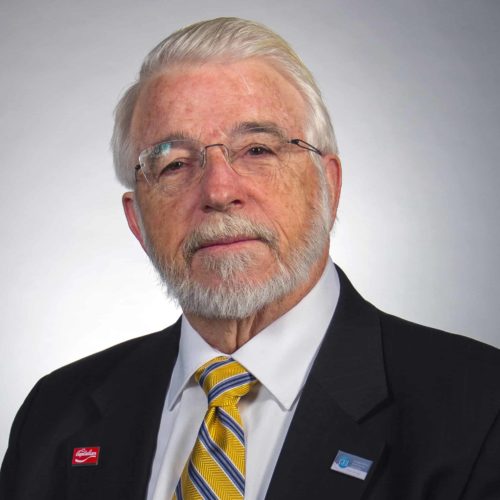
Fred L. Smith, Jr.
Founder; Chairman Emeritus
- Automobiles and Roads
- Aviation
- Business and Government

Sam Kazman
Counsel Emeritus
- Antitrust
- Automobiles and Roads
- Banking and Finance

Marlo Lewis, Jr.
Senior Fellow
- Climate
- Energy
- Energy and Environment