As a result, CEI experts have encouraged and supported trade-enhancing policies and treaties over the years, including “fast-track” Trade Promotion Authority, specific trade deals, and multilateral efforts such as the Doha round of the World Trade Organization. We have opposed increased tariffs, attempts to increase regulation through trade deal language, and the trend toward bilateral rather than multilateral deals. CEI continues to make the case for free trade in the face of increased bipartisan hostility to the idea.
CEI’s experts also work with like-minded colleagues abroad to oppose harmful initiatives, such as working with British colleagues to stop that country’s competition agency from blocking mergers between American firms based on speculative reasoning.
Featured Posts
Blog
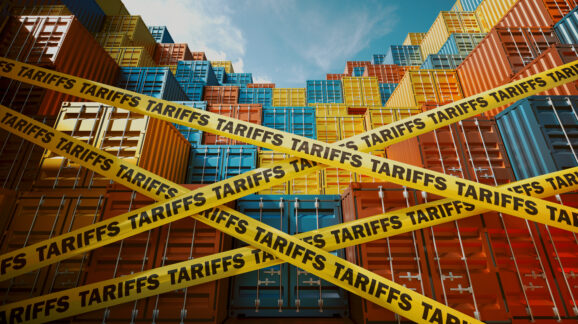
Can a country trade its way to independence?
Protectionists often say that tariffs are a way to achieve economic independence. They argue that raising the prices of foreign goods can bring production…
Blog
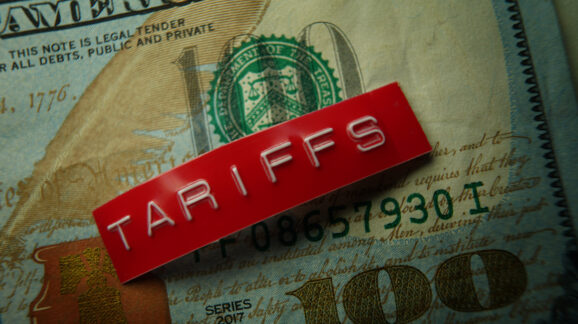
Tinplate tariffs are a microcosm of larger harm
Most of the talk about tariffs raising the cost of living is pretty abstract. In an op-ed syndicated by InsideSources, I look at…
American Petroleum Institute
WHAT THEY ARE SAYING: U.S. Diesel Export Ban Is a Bad Idea
Senior economist Ryan Young was cited by American Petroleum Institute regarding the consequences for a diesel export ban. As API President and…
Search Posts
Study
EPA’s Asthma Miasma
Is the Environmental Protection Agency a friend or enemy of asthmatic children? It all depends on which issue the agency is peddling.
Products
Bail Out For The Foolish
My Daddy always said never get between a fool and his mistake – it would sacrifice the only good that might come from the…
News Release
Mammoth Victory For Elephant Conservation At CITES
HARARE, ZIMBABWE, Thursday, June 19, 1997 — The ivory ban has ended for three southern African nations, despite intense opposition from the U.S. government.
Products
Precautionary Petard
The Precautionary Principle – the proposition that new technologies or products should not be permitted until we know they won't endanger health, safety, or…
Products
Chemical Weapons Convention Sell-out
Not since "read-my-lips" George Bush raised taxes and destroyed his presidency has a Republican leader so soiled the GOP's claim to be a party of…
News Release
Earth Day Tragedy: Flawed Environmental Treaty Dumps on Third World
WASHINGTON, DC April 22, 1997 —The Basel Convention, a United Nations treaty which regulates world trade, is due to ban all trade in “wastes”…