There is also the constant conflating of climate policy with climate science in order to make subjective and ideological policy choices seem as if the science dictates those choices. But science informs policy, it does not provide objective answers to policy questions. However, those who disagree with the climate policy choices favored by extremists are labeled with offensive terms like deniers.
The Competitive Enterprise Institute rejects climate policies that assume Americans and humans all over the world must sacrifice their quality of living, be guilted into radical life changes, and give up on improving their standard of living in the name of fighting climate change. Even if the United States no longer existed, there would be little to no meaningful impact on global temperatures. Therefore, the myriad of extreme policies are all costs and no gain.
Using the force of government to impose policies that severely hurt humans today, especially the poor, without any meaningful benefits is not just foolish but indefensible. And when such policies are advanced, the proponents of those policies should always be expected to explain how their policy choices would meaningfully affect global temperatures. When they are unable to provide answers, which will be the case, their policy choices should be quickly dismissed.
The best way to deal with any genuine climate concerns is to remove government obstacles that hinder innovation, reduce wealth, and undermine prosperity and opportunity. Economic liberty benefits Americans generally, and at the same time, it is also the world’s best climate policy. After all, the wealthiest and most prosperous nations are far more likely to develop solutions to such problems than other nations.
Featured Posts

Blog
Trump withdraws from UN Framework Convention; ends illusion we’ll always have Paris
President Trump is withdrawing the United States from 66 intergovernmental organizations he has determined are “contrary to the interests of the United States.” This is…
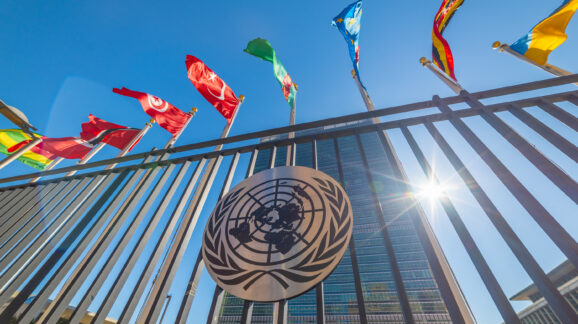
News Release
CEI commends President Trump for withdrawing US from 1992 UN Framework Convention on Climate Change
President Trump announced this evening that the United States is withdrawing from many international agreements, including the United Nations Framework Convention on Climate…

Blog
CEI’s The Surge: Clean Water Act reform, new CAFE standards, and more
If you are interested in analysis and perspective on current energy and environmental issues, then we encourage you to subscribe to this new publication and…
Search Posts
Products
Could Kyoto Kill?
Whether or not the United States should ratify an international treaty to limit greenhouse gases is the most prominent question in today’s environmental policy debate.
Newsletter
Vol. II, No. 24
Politics Combining Montreal with Kyoto Many issues were discussed at the climate change talks in Buenos Aires this month, but one of the most disturbing…
Newsletter
Vol. II, No. 23
Politics A Report from Our Team in Buenos Aires Only 2,000 people reportedly participated in the event’s first week, a far cry from the…
Study
Climate Change: Insights from Oceanography
Full Document Available in PDF The global warming establishment asserts that the science underlying…
Newsletter
Vol. II, No. 22
Politics EPA Lacks Authority to Regulate CO2 Following the completion of the Kyoto Protocol, Carol Browner, Administrator of the Environmental Protection Agency (EPA), testified before…
Newsletter
Emission Credits: The Supply & Demand Gap
Full Briefing available in PDF format. Preface Last year, some 160 nations negotiated an agreement in Kyoto, Japan, that would require the…
Staff & Scholars

Sam Kazman
Counsel Emeritus
- Antitrust
- Automobiles and Roads
- Banking and Finance

Marlo Lewis, Jr.
Senior Fellow
- Climate
- Energy
- Energy and Environment

Ben Lieberman
Senior Fellow
- Climate
- Consumer Freedom
- Energy

Jacob Tomasulo
Policy Analyst
- Climate
- Energy
- Energy and Environment

Kevin D. Williamson
Writer in Residence
- Climate
- Energy and Environment