There are two main areas in which Congress can enact meaningful reform. The first is to rein in regulatory guidance documents, which we refer to as “regulatory dark matter,” whereby agencies regulate through Federal Register notices, guidance documents, and other means outside standard rulemaking procedure. The second is to enact a series of reforms to increase agency transparency and accountability of all regulation and guidance. These include annual regulatory report cards for rulemaking agencies and regulatory cost estimates from the Office of Management and Budget for more than just a small subset of rules.
In 2019, President Trump signed two executive orders aimed at stopping the practice of agencies using guidance documents to effectively implement policy without going through the legally required notice and comment process.
Featured Posts

Blog
Politicians should push deregulatory initiatives – not investor limits – to boost housing affordability
Both President Trump and Democrats in Congress seem to blame the high costs of housing on certain groups of real estate investors and to restrict…

News Release
Environmental problems deserve free market solutions: Our Words
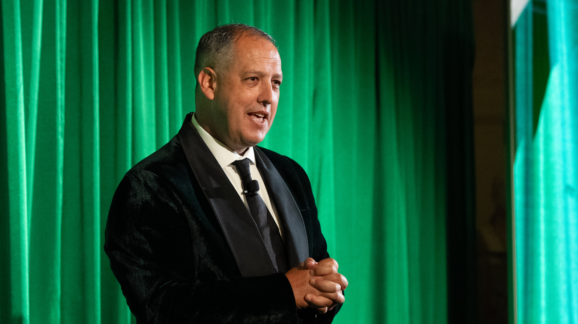
Today, the Competitive Enterprise Institute is pleased to publish CEI President Kent Lassman’s lecture entitled The Environment, the Law, Markets, and the Path…
Study
The Environment, the Law, Markets, and the Path Forward
Introduction The Pharos Foundation at Jesus College, a constituent college of the University of Oxford, invited me to speak at an on-campus forum in May.
Search Posts
Blog
Education Department “Dear Colleague” Letter Shreds Presumption of Innocence in Harassment Cases, Ignoring Supreme Court
To promote due process, some college disciplinary systems recognize a strong presumption of innocence, requiring clear-and-convincing evidence of guilt for discipline. That practice is now…
Op-Eds
Still Burning Witches at the FCC
It seems that things are never quite perfect enough these days for the Federal Communications Commission to elect to leave competitive communications markets alone. When…
Blog
My Response to Simon Johnson’s Defense of Price Controls Benefiting Big Retailers
Two weeks ago, I wrote a post blasting 17 Republican senators who voted last year for Dodd-Frank's Durbin Amendment, which puts below-cost price controls…
American Thinker
Regulatory Dysfunction
American Thinker references Wayne Crews's study on the cost of government regulations. In a 2008 review of the cost of government regulations entitled…
Blog
Alcohol Regulation Roundup: April 6, 2011
Nation: Wine shipping is once again being threatened by federal legislation threatening to overturn Supreme Court decisions that clearly made it illegal for states…
Blog
Paul Ryan’s Budget Proposal is Half the Answer
This morning, Rep. Paul Ryan (R-Wisc.) unveiled a bold proposal to trim trillions off America’s bloated budget. It represents the only serious proposal out there…
Staff & Scholars

Clyde Wayne Crews
Fred L. Smith Fellow in Regulatory Studies
- Business and Government
- Consumer Freedom
- Deregulation

Ryan Young
Senior Economist and Director of Publications
- Antitrust
- Business and Government
- Regulatory Reform

Fred L. Smith, Jr.
Founder; Chairman Emeritus
- Automobiles and Roads
- Aviation
- Business and Government

Sam Kazman
Counsel Emeritus
- Antitrust
- Automobiles and Roads
- Banking and Finance

Marlo Lewis, Jr.
Senior Fellow
- Climate
- Energy
- Energy and Environment