In the Long Run, the Meta Case Is Dead
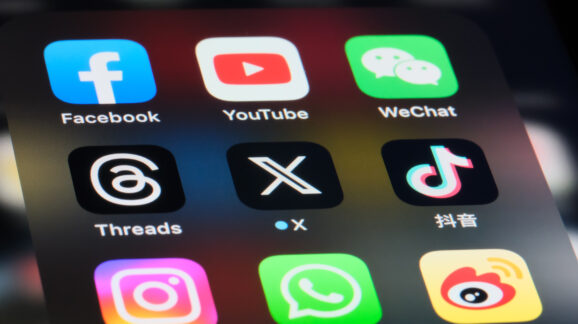
It’s: Meta is not illegally monopolizing the “personal social networking” (PSN) market through its 2012 purchase of Instagram and 2014 purchase of WhatsApp. The Federal Trade Commission’s odd definition of a PSN was the downfall of the agency’s case, but the long delay between the acquisitions and the issuance of this opinion allowed for a natural experiment showing how competitive the social media market actually is.
In the waning days of the first Trump administration, the FTC first brought case charging that Meta (then Facebook) acted illegally under Section 2 of the Sherman Act in acquiring Instagram and WhatsApp. The FTC reviewed both of those deals at the time, and the agency decided to take no action to prevent them.
During the then newly minted Biden administration in June of 2021, U.S. District Judge James Boasberg dismissed the complaint. But the FTC later that same year, and in January 2022, Judge Boasberg the case to go forward. The relay race continued under the second Trump administration, with the trial taking place earlier this year – eons after the acquisitions in ‘tech time.’
The first order of business in any antitrust trial is defining the market alleged to be monopolized by anticompetitive behavior. The FTC defined the relevant market as including Facebook, Instagram, Snapchat, and a smaller player, MeWe, on the grounds that only those platforms are engaged in connecting friends and family. The FTC invented this distinction for the connection function, as opposed to platforms that serve content from accounts users don’t follow or know offline. This conveniently left YouTube and TikTok out of the proposed market.
If you use these platforms, you know it is an odd form of gerrymandering of the relevant market. “Friends and family” activity is on Meta’s platforms, and the company has adapted by offering more short video clips, a service called Reels, to compete with the popular formats on TikTok and YouTube. As Judge Boasberg observed in his opinion, Facebook, Instagram, TikTok, and YouTube have all “recently converged to offer similar experiences.”
More generally, if you live on planet Earth, you know that all four of those platforms (and others) compete fiercely for your eyeballs and advertisers’ dollars. Most users didn’t need weeks of litigation to doubt the concept of creating a for social media interactions with people you know, as distinguished from watching TikTok videos from creators; you can do both on all of those platforms. Narrowing the market may have helped the FTC claim a higher market share for Meta’s products, but it didn’t reflect the marketplace’s reality.
Through the miracle of periodic technical failures, we can real world examples of which platforms Americans use as substitutes and, therefore, which ones should more likely be included as competitors in the same market.
Meta’s apps suffered a several-hour outage in 2021, and the company took note of where its users spent time instead. The largest share of displaced users landed on TikTok. YouTube came in second for taking in digital refugees. But both of those platforms were excluded from the FTC’s proffered market definition. Snapchat was included in the FTC’s relevant market, but the app registered only a fraction of the different platforms’ temporarily displaced users during the Meta outage. When the unintentional experiment was run in reverse, namely the brief 2025 U.S. TikTok ban, there was a in Facebook and Instagram usage that also suggests the FTC’s market definition was flawed.
Judge Boasberg agreed, writing in his opinion that, “the FTC has an uphill battle to establish the contours of any separate PSN market and Defendant’s monopoly therein.” He continues that, “(t)he Court ultimately concludes that the agency has not carried its burden: Meta holds no monopoly in the relevant market. Judgment must therefore be entered in its favor.”
Because Judge Boasberg (rightly) didn’t buy the FTC’s definition of the relevant market, the opinion didn’t have to consider consumer welfare in this case. But we might sleep better tonight if we look at how consumers have fared with Meta’s acquisition of Instagram.
Users benefited from Meta’s ownership.
Instagram was acquired, it was not profitable, had only a handful of employees, and it was far from evident that the company had the means to improve and scale on its own. Its new parent company poured financial resources and technical expertise into the once glitchy Instagram app. To the benefit of consumers, Meta has consistently improved and added features to the platform. The price for users has always been zero, the platform has more users than ever, and the product’s quality has consistently improved. No price increase, more output, and continued innovation are not what one expects to see from a monopolist.
Read more at Civitas Outlook