The problem is scarcity, not Disney’s prices
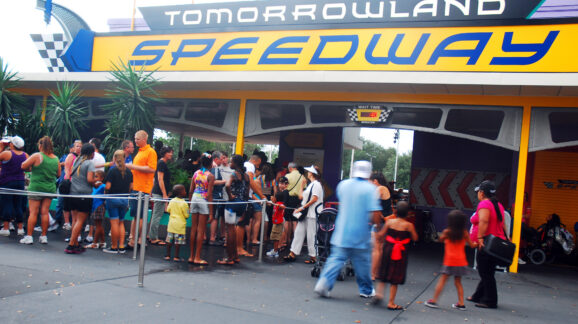
Photo Credit: Getty
Disney doesn’t just offer admission to a theme park. It promises a magical experience. But when millions of people seek that experience, Disney must work harder to preserve the magic guests expect. There are only so many people a park can comfortably accommodate before long lines and crowded walkways begin to erode the magic.
As Disney raises prices once again, critics see a Disney vacation becoming less affordable. With many households already facing higher costs across the economy, a more expensive Disney trip may be the straw that breaks the camel’s back. Others see higher prices as a necessary trade-off to preserve the quality of an experience that millions of people want to enjoy.
Both perspectives confront the same reality: scarcity cannot be wished away.
At the risk of turning this post into an introductory economics course, a basic concept of supply and demand helps to explain what’s happening. When demand rises faster than supply, prices tend to increase. Disney’s parks may be magical, but they are not exempt from the same economic forces that affect everything from concert tickets to airline seats.
Let’s suppose Disney lowered prices in response to criticism. More families could afford a trip, and consumers would likely view the decision as a victory. Yet the supply of the Disney experience would remain largely unchanged while demand continued to grow. The parks would still have the same limited space, attractions, and hours available to accommodate visitors. Lower prices would likely intensify competition for a limited experience.
The debate over Disney ticket prices quickly becomes a broader discussion about how scarce resources should be allocated. A lower ticket price does not make scarcity disappear. It merely changes how visitors pay for access.
Not all prices are paid with money. Instead of opening their wallets, visitors may find themselves paying with their time and patience. Longer lines, larger crowds, and greater competition for attractions become the new price of access. Guests may spend less time making memories and more time waiting to make them.
Rising prices are often framed as a conflict between consumers and businesses. In reality, most of us play both roles. We are consumers when we purchase goods and services, but we are also workers, investors, and entrepreneurs. In each role, we experience the economy from a different perspective.
Disney operates within the same economy as its guests. As labor, construction, maintenance, and operating costs rise, some price increase should not be surprising. Not every price hike is driven by greed. Sometimes they reflect the rising costs that businesses must absorb.
Scarcity helps explain why prices rise, but it does little to soften the disappointment felt by families who are priced out. A Disney vacation is more than just another purchase for many visitors. It is a family tradition, a long-awaited trip, or a special experience shared across generations.
An important principle of economics is that prices act as signals. This is true for both monetary and nonmonetary prices. In an earlier post on Treasury yields, I explored how interest rates communicate information about the availability of capital and broader economic conditions. Disney’s prices may be conveying a different message. They suggest that consumers continue to place a high value on memorable vacations, and dislike long waits and other nonmonetary prices.
Entrepreneurs pay attention to those signals. When they recognize unmet demand, they have an incentive to create new ways of serving it. In a competitive market, demand that goes unmet today can become the foundation for tomorrow’s innovations.
Disney promises a magical experience, but even magic cannot escape the realities of scarcity. Lowering prices may change how scarcity is experienced, but it cannot make scarcity disappear. Every approach involves trade-offs. In the end, we must choose from among them rather than expect to escape them altogether.