Why a supersonic cross-country flight could be closer than you think
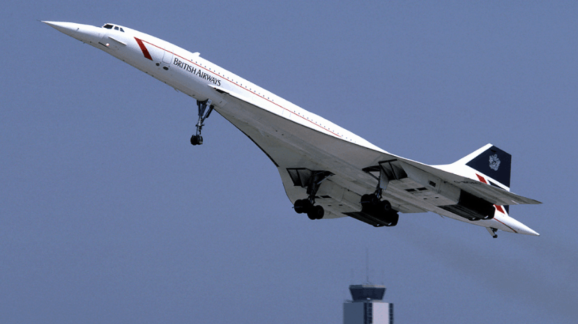
What if a cross-country flight took less time than your favorite movie? That future may be closer than it sounds. The Federal Aviation Administration (FAA) recently proposed a rule that would allow civil aircraft to fly faster than sound over land, provided they meet standards designed to limit sonic boom impacts on the ground. If finalized, the rule could open the door to a new generation of faster commercial aircraft and make supersonic cross-country travel possible.
The FAA’s 1973 prohibition against commercial supersonic flight over land was based on the premise that supersonic flight creates sudden pressure waves, known as sonic booms, that reach the ground after an aircraft travels faster than the speed of sound.
But speed is an indirect measure of what people on the ground actually experience. Today’s technology has moved well beyond that dated assumption. Engineers have developed ways to reduce, shape, and, in some circumstances, prevent sonic booms from reaching the ground. Aircraft design can influence the intensity and shape of a sonic boom, meaning the sonic booms of two supersonic aircraft need not have the same impact.
Boom Supersonic’s XB-1 has demonstrated that, under the right atmospheric conditions, an aircraft can fly supersonically without an audible sonic boom reaching the ground. NASA’s X-59 takes a different approach by using aircraft design to turn the traditional boom into a much quieter “thump.” These advances demonstrate that supersonic speed itself does not determine what people on the ground experience.
Think of it this way: regulating cars by horsepower because some powerful cars once had dangerous brakes would miss the point. A better approach is to regulate what actually matters: the impact on the ground. That is the basic idea behind performance-based regulation.
Regulatory reform cannot make a supersonic airliner appear overnight. What it can do is remove a barrier that makes developing one unnecessarily burdensome. The potential reward of significantly shorter domestic flights is as alluring as it is substantial. Shaving a couple of hours off a cross-country journey, such as New York to Los Angeles, could change how people think about business travel, visiting family and friends, or going on vacation.
But none of this is inevitable. Companies must still develop viable aircraft, demonstrate their safety, obtain FAA certification, manufacture them at a competitive cost, and find airlines and passengers willing to pay for the service. What the proposed rule can do is give manufacturers room to compete, as well as a chance to see whether they can deliver on the promise of a future with commercial supersonic flight.
The proposed rule’s shift from recurring, flight-specific authorization toward a more durable approval framework could provide manufacturers with a clearer regulatory target. A company is more likely to invest billions in a new aircraft when it knows what performance standard it must meet over the life of the program.
Clear standards would allow manufacturers to design toward known requirements while competing over different solutions, including airframe designs, propulsion systems, and flight procedures. The market would then determine which approaches work best.
A more durable approval framework could provide that path, replacing recurring flight-specific permissions with a standard that manufacturers can design for. If successful, that competition could bring faster travel while strengthening American aerospace manufacturing, supporting high-skilled jobs, and expanding the domestic supplier base.
There is one important caveat. Replacing an outdated speed limit with a numerical noise limit is a step forward because it focuses on the actual effect regulators are concerned about. But that limit should not become the next rigid barrier to innovation.
Atmospheric conditions can affect how sonic booms reach the ground, and new flight testing will provide valuable information about how aircraft perform under real-world conditions. As engineers learn more, the regulatory framework should have room to adjust. Otherwise, a rule intended to enable innovation could eventually prevent it.
For more than half a century, routine supersonic flight over American land has been largely off-limits. The FAA now has an opportunity to change that. A flexible, performance-based framework could give competing innovators room to build on advances in quieter supersonic flight and determine which technologies work best.
Engineers have already made significant progress in reducing sonic boom impacts. The remaining challenge is bringing those technologies to market. Regulators should not become the next barrier to breaking the sound barrier.
For a fuller discussion of these reforms, see CEI’s latest regulatory comment.