There are two main areas in which Congress can enact meaningful reform. The first is to rein in regulatory guidance documents, which we refer to as “regulatory dark matter,” whereby agencies regulate through Federal Register notices, guidance documents, and other means outside standard rulemaking procedure. The second is to enact a series of reforms to increase agency transparency and accountability of all regulation and guidance. These include annual regulatory report cards for rulemaking agencies and regulatory cost estimates from the Office of Management and Budget for more than just a small subset of rules.
In 2019, President Trump signed two executive orders aimed at stopping the practice of agencies using guidance documents to effectively implement policy without going through the legally required notice and comment process.
Featured Posts

Blog
Free the Economy podcast: The culture of free enterprise with Larry Reed
In this week’s episode we cover social mobility around the world, new inflation numbers, and the rise of robotaxis. Our…

Blog
The week in regulations: Deepwater port licenses and nuclear credit ratings
Voters made known their feelings about tariffs, gas prices, and corruption. The FAA announced that it still uses floppy disks for air traffic control…
Blog
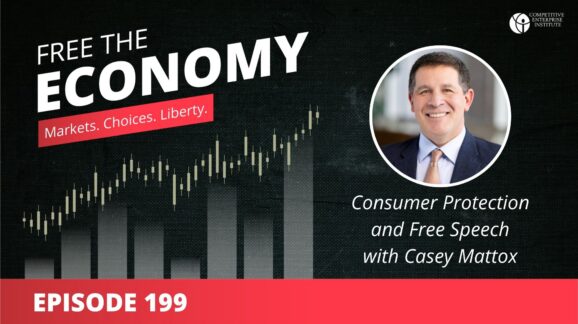
Free the Economy podcast: Consumer protection and free speech with Casey Mattox
In this week’s episode we cover the debt load of state and local governments, advances in nuclear waste storage, and hope…
Search Posts
Op-Eds
Liberating Credit Unions and Entrepreneurs
Now more than ever, “civility” is the rage on Capitol Hill. The civility craze may have reached its nadir with what was called “date night”…
Blog
Obamacare Struck Down by Florida Judge; Properly Applies Severability Principles to Invalidate Whole Law
A judge in Florida just declared the health care law known as “Obamacare” unconstitutional, ruling it void in its entirety. Judge Vinson rightly…
Blog
Regulation of the Day 162: Breaking Wind
The southeast African country of Malawi is about to make farting illegal. The government there is trying to “mould responsible and disciplined citizens.”…
Blog
Morning Media Summary
Tech: Without Internet, Egyptians find new ways to get online: “”When countries block, we evolve,” an activist with the group We Rebuild wrote…
Blog
TSA Shuts Door on Private Airport Screening Program That Exposed TSA’s Inefficiency
The Transportation Security Administration has shut the door on a private airport screening program that was making the inefficient agency look bad by outperforming it…
Blog
Regulation of the Day 161: Crossing the Street
Three states are proposing to make it illegal to listen to your iPod while crossing the street. Legislators in California, New York, and Oregon are…
Staff & Scholars

Clyde Wayne Crews
Fred L. Smith Fellow in Regulatory Studies
- Business and Government
- Consumer Freedom
- Deregulation

Ryan Young
Senior Economist and Director of Publications
- Antitrust
- Business and Government
- Regulatory Reform
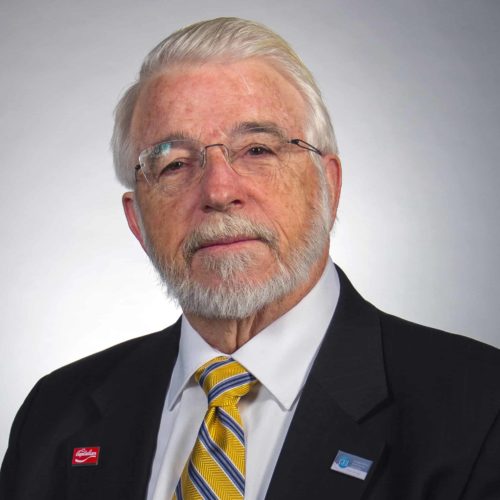
Fred L. Smith, Jr.
Founder; Chairman Emeritus
- Automobiles and Roads
- Aviation
- Business and Government

Sam Kazman
Counsel Emeritus
- Antitrust
- Automobiles and Roads
- Banking and Finance

Marlo Lewis, Jr.
Senior Fellow
- Climate
- Energy
- Energy and Environment