There are two main areas in which Congress can enact meaningful reform. The first is to rein in regulatory guidance documents, which we refer to as “regulatory dark matter,” whereby agencies regulate through Federal Register notices, guidance documents, and other means outside standard rulemaking procedure. The second is to enact a series of reforms to increase agency transparency and accountability of all regulation and guidance. These include annual regulatory report cards for rulemaking agencies and regulatory cost estimates from the Office of Management and Budget for more than just a small subset of rules.
In 2019, President Trump signed two executive orders aimed at stopping the practice of agencies using guidance documents to effectively implement policy without going through the legally required notice and comment process.
Featured Posts
Blog
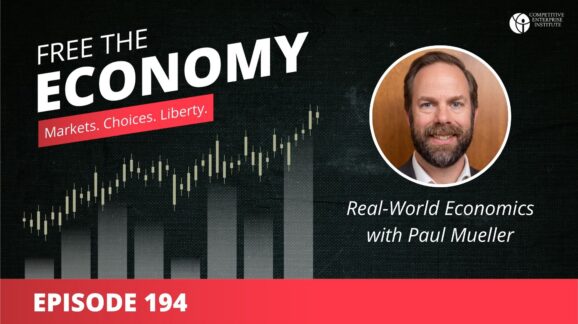
Free the Economy podcast: Real-world economics with Paul Mueller
In this week’s episode we cover spiraling health care costs, reforming state-level regulations, and how to keep asset managers accountable…

Blog
The week in regulations: Safe explosives and baker’s yeast
President Trump proposed an export ban on diesel fuel. Mortgage rates topped 7 percent. Agencies issued new regulations ranging from bank mergers to window…
Blog
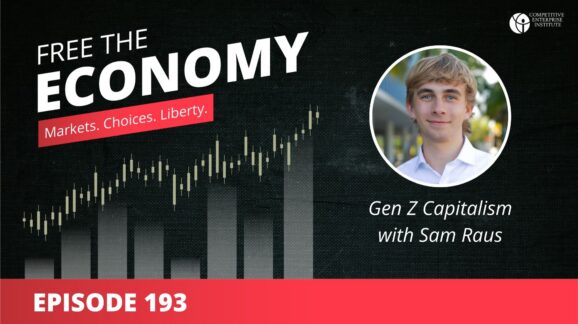
Free the Economy podcast: Gen Z capitalism with Sam Raus
In this week’s episode we cover how data centers power our lives, how modern technology is fueling family togetherness, and the…
Search Posts
Blog
Does Anyone Understand The Internet?
I’m beginning to think “no” is the definitive answer. While most tend to understand the basic concepts of Internet connectivity and its associated parts, it…
Blog
The “Small Business” Exemption Distortion
Many of the federal regulatory and tax laws include a “small business exemption” – politicians displaying an aversion to crippling a…
Newsletter
Bailout Power Grab, Abuse of Power in New York and Rising Sea Level Panic
White House economic advisers plan to convert government holdings in bailed out banks to common stock, increasing direct government control. New York State insurance chief…
Blog
Nationalizing the Banks? Stock Conversion May Backfire
The Obama Administration wants to convert the preferred shares the government got from banks in the bank bailout into common shares. In theory, it…
Newsletter
Hemispheric Diplomacy, Greenhouse Gases and Anti-Tax Protests
President Obama attends the Summit of the Americas with other leaders from North and South America. The Environmental Protection Agency declares greenhouse gases to be…
Newsletter
CO2, Microsoft’s Antitrust Overseers and Anti-Tax Activists
The Environmental Protection Agency prepares to release a document that could require the federal government to regulate emissions of carbon dioxide. The Justice Department extends…
Staff & Scholars

Clyde Wayne Crews
Fred L. Smith Fellow in Regulatory Studies
- Business and Government
- Consumer Freedom
- Deregulation

Ryan Young
Senior Economist and Director of Publications
- Antitrust
- Business and Government
- Regulatory Reform

Fred L. Smith, Jr.
Founder; Chairman Emeritus
- Automobiles and Roads
- Aviation
- Business and Government

Sam Kazman
Counsel Emeritus
- Antitrust
- Automobiles and Roads
- Banking and Finance

Marlo Lewis, Jr.
Senior Fellow
- Climate
- Energy
- Energy and Environment