There are two main areas in which Congress can enact meaningful reform. The first is to rein in regulatory guidance documents, which we refer to as “regulatory dark matter,” whereby agencies regulate through Federal Register notices, guidance documents, and other means outside standard rulemaking procedure. The second is to enact a series of reforms to increase agency transparency and accountability of all regulation and guidance. These include annual regulatory report cards for rulemaking agencies and regulatory cost estimates from the Office of Management and Budget for more than just a small subset of rules.
In 2019, President Trump signed two executive orders aimed at stopping the practice of agencies using guidance documents to effectively implement policy without going through the legally required notice and comment process.
Featured Posts

Blog
The week in regulations: Salt substitutes and spiny lobster management
The new White House Press Secretary lasted five days before resigning. Sen. Elizabeth Warren is upset that one company makes two brands of hot…
Blog
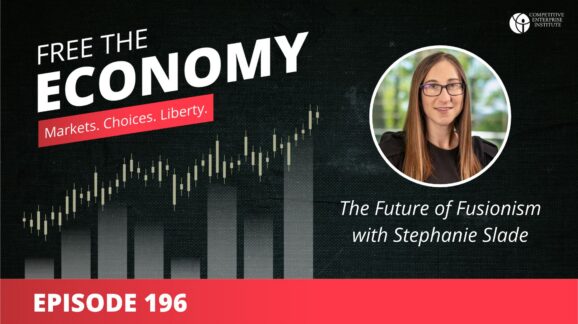
Free the Economy podcast: The future of Fusionism with Stephanie Slade
In this week’s episode we cover federal vs. state rules for prediction markets, the difference between Detroit and Pittsburgh, and a…

Blog
The week in regulations: Mariner training and Maryland trash
The federal government’s annual budget deficit hit $2 trillion. Defense Secretary Pete Hegseth pledged to livestream an execution. Thirty-year Treasury bond interest rates continued…
Search Posts
Products
Nick Gillespie Q&A in the October Issue of CEI’s Monthly Planet
Full Document Available in PDF …
Study
1984-2004: CEI’s 20 Year Report
Full Document Available in PDF A Message from the President CEI is…
Op-Eds
Stock Option Expense Jousting
After hearing constant tirades about <?xml:namespace prefix = st1 ns = “urn:schemas-microsoft-com:office:smarttags” />U.S. foreign policy offending “the world,” a majority of American voters…
Op-Eds
Health, Wealth and Happiness
How do we know when we’re happy? Strange as it may seem, this philosophical question could come back to haunt you one April 15. Psychologists…
Op-Eds
Vaccine Development Needs a Booster Shot
Every year in this country influenza kills tens of thousands and hospitalizes about a quarter-million. <?xml:namespace prefix = o ns = “urn:schemas-microsoft-com:office:office” />…
Op-Eds
Medicine Could Reach For Stars, FDA Willing
When Bill Gates and Paul Allen founded Microsoft in 1975, they shot for the stars and succeeded. More recently, Allen shot for the stars again.
Staff & Scholars

Clyde Wayne Crews
Fred L. Smith Fellow in Regulatory Studies
- Business and Government
- Consumer Freedom
- Deregulation

Ryan Young
Senior Economist and Director of Publications
- Antitrust
- Business and Government
- Regulatory Reform

Fred L. Smith, Jr.
Founder; Chairman Emeritus
- Automobiles and Roads
- Aviation
- Business and Government

Sam Kazman
Counsel Emeritus
- Antitrust
- Automobiles and Roads
- Banking and Finance

Marlo Lewis, Jr.
Senior Fellow
- Climate
- Energy
- Energy and Environment