As a result, CEI experts have encouraged and supported trade-enhancing policies and treaties over the years, including “fast-track” Trade Promotion Authority, specific trade deals, and multilateral efforts such as the Doha round of the World Trade Organization. We have opposed increased tariffs, attempts to increase regulation through trade deal language, and the trend toward bilateral rather than multilateral deals. CEI continues to make the case for free trade in the face of increased bipartisan hostility to the idea.
CEI’s experts also work with like-minded colleagues abroad to oppose harmful initiatives, such as working with British colleagues to stop that country’s competition agency from blocking mergers between American firms based on speculative reasoning.
Featured Posts
Blog
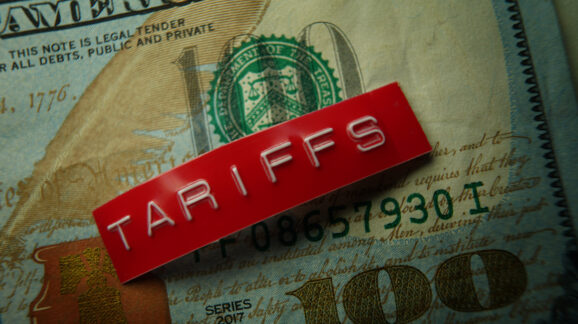
Tinplate tariffs are a microcosm of larger harm
Most of the talk about tariffs raising the cost of living is pretty abstract. In an op-ed syndicated by InsideSources, I look at…
American Petroleum Institute
WHAT THEY ARE SAYING: U.S. Diesel Export Ban Is a Bad Idea
Senior economist Ryan Young was cited by American Petroleum Institute regarding the consequences for a diesel export ban. As API President and…

National Review
From Munitions Shortage to Ebola, Dodd–Frank Minerals Measure Makes Things Worse
A scan of news headlines warns readers of two seemingly unrelated dangers around the globe. One is a potential shortage of missiles, interceptors, and…
Search Posts
Blog
Ron Kirk confirmed as USTR — vowed trade “enforcement”
The U.S. has a new U.S. Trade Representative — former Dallas mayor Ron Kirk. Kirk was confirmed by the Senate today in a 92-5…
Blog
Tit-for-tat: Tariffs and trucks
It’s no empty threat — Mexico will be slapping high tariffs on almost one hundred U.S. products beginning tomorrow, according to its economy minister. …
Blog
More on carbon tariffs
For more on the insanity of carbon tariffs, there’s an excellent 2008 article by the National Post’s Terence Corcoran appropriately titled “Blowing up the…
Blog
Carbon tariffs quid pro quo?
Just as the World Bank put out a report on increased trade protectionism in the world, U.S. Energy Secretary Steven Chu…
Newsletter
Beach House Bailout, Voting Rights and Trade War with Mexico
Congress to likely consider a controversial plan for taxpayers to subsidize disaster insurance in risk-prone states. Attorney General Eric Holder keeps quiet about the recent…
Blog
Mexico wants to keep on trucking
Mexico said it would impose tariffs on about 90 U.S. exports in retaliation for a recent bill that violates the North America Free Trade…