As a result, CEI experts have encouraged and supported trade-enhancing policies and treaties over the years, including “fast-track” Trade Promotion Authority, specific trade deals, and multilateral efforts such as the Doha round of the World Trade Organization. We have opposed increased tariffs, attempts to increase regulation through trade deal language, and the trend toward bilateral rather than multilateral deals. CEI continues to make the case for free trade in the face of increased bipartisan hostility to the idea.
CEI’s experts also work with like-minded colleagues abroad to oppose harmful initiatives, such as working with British colleagues to stop that country’s competition agency from blocking mergers between American firms based on speculative reasoning.
Featured Posts
The National News Desk
Inflation surges as Iran war drives prices higher across economy
CEI’s Jeremy Nighohossian was quoted in The National News Desk regarding CPI figures from September 2026. Core prices, which exclude food and energy,…
Blog
Can a country trade its way to independence?
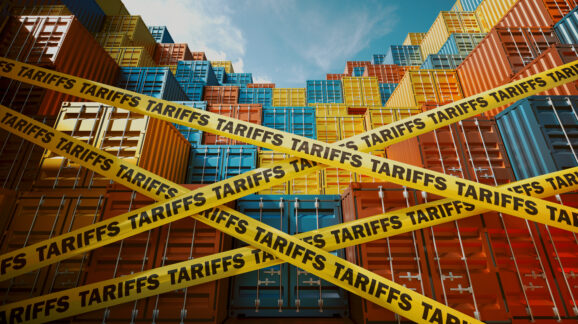
Protectionists often say that tariffs are a way to achieve economic independence. They argue that raising the prices of foreign goods can bring production…

Blog
Tinplate tariffs are a microcosm of larger harm
Most of the talk about tariffs raising the cost of living is pretty abstract. In an op-ed syndicated by InsideSources, I look at…
Search Posts
Op-Eds
Do-It-Yourself Legislation
The aftermath of hurricanes Katrina and Rita have proved a massive breeding ground for what former OECD Chief Economist David Henderson has termed…
Op-Eds
The UN’s War Against Innovation
The leadership of the United Nations is truly the gang that can't shoot straight. Even if the recent incidents of corruption and profiteering—exemplified…
Op-Eds
Is U.S. Embracing a Global Tax Scheme?
<?xml:namespace prefix = st1 ns = “urn:schemas-microsoft-com:office:smarttags” />Melbourne, Australia—This week, a good number of liberal activists—when not engaged in trying to stop the…
Op-Eds
Puts and Calls: Sarbanes-Oxley ‘reform’ harming economy
The Sarbanes-Oxley corporate governance act is one of the biggest expansions of government regulation in 70 years—and businesses say it’s more costly and complicated than…
News Release
U.S. to U.N. in Tunisia: Hands Off the Internet
<?xml:namespace prefix = st1 ns = “urn:schemas-microsoft-com:office:smarttags” /> Contact: Richard Morrison, 202.331.2273 Washington, D.C.,…
Newsletter
The Competitive Enterprise Institute Daily Update
Issues in the News 1. HEALTH AND SAFETY The President’s $7.1 billion plan to fight a possible avian flu pandemic…