As a result, CEI experts have encouraged and supported trade-enhancing policies and treaties over the years, including “fast-track” Trade Promotion Authority, specific trade deals, and multilateral efforts such as the Doha round of the World Trade Organization. We have opposed increased tariffs, attempts to increase regulation through trade deal language, and the trend toward bilateral rather than multilateral deals. CEI continues to make the case for free trade in the face of increased bipartisan hostility to the idea.
CEI’s experts also work with like-minded colleagues abroad to oppose harmful initiatives, such as working with British colleagues to stop that country’s competition agency from blocking mergers between American firms based on speculative reasoning.
Featured Posts
The National News Desk
Inflation surges as Iran war drives prices higher across economy
CEI’s Jeremy Nighohossian was quoted in The National News Desk regarding CPI figures from September 2026. Core prices, which exclude food and energy,…
Blog
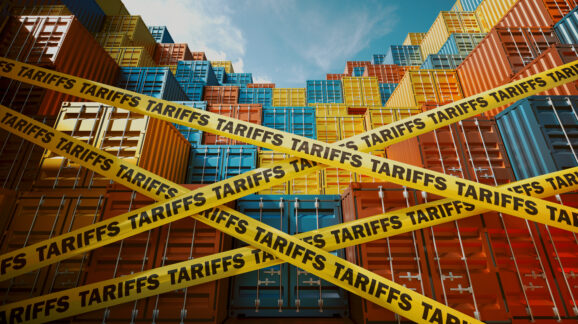
Can a country trade its way to independence?
Protectionists often say that tariffs are a way to achieve economic independence. They argue that raising the prices of foreign goods can bring production…
Blog
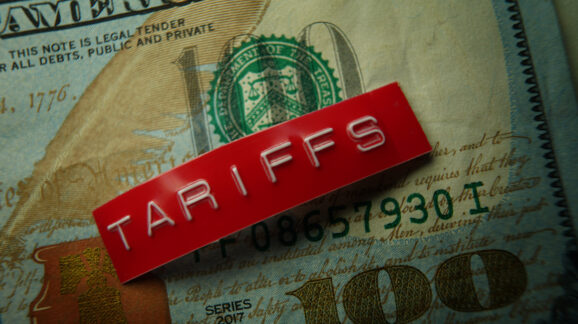
Tinplate tariffs are a microcosm of larger harm
Most of the talk about tariffs raising the cost of living is pretty abstract. In an op-ed syndicated by InsideSources, I look at…
Search Posts
Blog
Can Regional Trade Agreements Replace the WTO?
Trade policy is in a bad place right now, with two consecutive protectionist administrations in the U.S. and the World Trade Organization (WTO) possibly…
The Washington Times
Biden Administration Probe of Supply Chain Woes Slammed as ‘Demagoguery’
The Washington Times cites Research Fellow Sean Higgins and Senior Fellow Marlo Lewis on the current supply chain crisis: But researchers…
Blog
Court Strikes Down Trump Tariff: Precedent for Institution-Level Changes?
Pessimism reigns for trade liberalization in the short run, but there is fresh hope for the long run. A new court decision over solar…
The Washington Times
Economic Pressures Boost Thanksgiving Turkey Prices by 20%
The Washington Times cites Vice President for Strategy Iain Murray on Thanksgiving prices: Iain Murray, a senior analyst at the libertarian…
Blog
Steel, Aluminum Tariffs to Remain Above Pre-Trump Levels
It is not asking much to undo President Trump’s doubling of U.S. tariffs, which are a major contributor to today’s supply network crisis. But…
The Diplomat
AUKUS Is Only Half the Equation
The United States and the United Kingdom’s recent decision to expand their Asian security presence has the potential to deter China, but Washington and…