Civil forfeiture has become a significant government intrusion in recent years. While it remains a viable instrument for federal agents enforcing customs laws and fighting international crime, misguided policies and misaligned incentives foster abuses and raise grave constitutional concerns.
Each year, federal and state forfeiture programs allow law enforcement to seize more than $3 billion in cash and property from thousands of people – often without ever charging them with a crime. There are also serious questions as to whether civil courts using lower burdens of proof are the appropriate means to enforce government anti-crime policies.
Civil forfeiture further jeopardizes the relationship between police and their communities when vulnerable residents who cannot afford to challenge small-value seizures are targeted. There are also questionable benefits when financially-stressed departments prioritize revenue-generating forfeitures over arrests, drug interdiction, and crime-fighting.
CEI is addressing these issues through its new Forfeiture Reform Initiative: engaging federal and state policymakers to implement much-needed reforms and educating the public about their constitutional rights to stop improper seizures in the first place.
No person should have to fear for their property while engaged in lawful activities or lose it without ever being convicted of a crime.
Featured Posts
Blog
CEI files amicus brief in SCOTUS case to protect homeowners from tax equity theft
On December 8, 2025, CEI filed an amicus brief in the case Michael Pung v. Isabella County, Michigan at the United States Supreme Court. This…
Blog
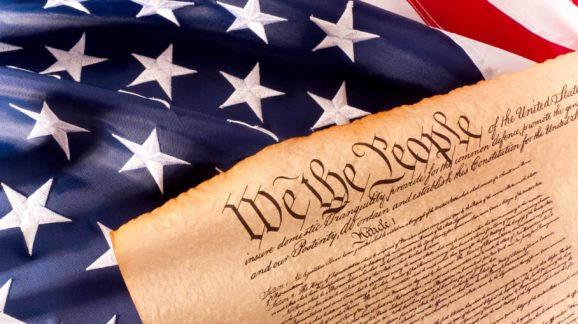
Some thoughts on Constitution Day
As I drove into work today, it occurred to me: we so often take for granted the extraordinary power that the automobile gives us.
Fox News
Federal judge rules that 156-year-old ban on at-home distilling is unconstitutional
Fox News cites CEI’s Devin Watkins and Dan Greenberg on Hobby Distillers Association v. Alcohol and Tobacco Tax and Trade Bureau et al:…
Search Posts
Blog
Arizona Adopts Landmark Civil Forfeiture Reform Legislation
On May 6, Arizona Governor Greg Ducey signed into law House Bill 2810, which reforms the state’s civil forfeiture law and strengthens due…
Blog
Louisiana Frog Feud Illustrates Regulatory Threat to Property Rights and Economic Freedom
The dusky gopher frog doesn’t grow very large—only to about three inches long, on average. But despite its diminutive size, this little frog has had…
Washington Examiner
In supporting ‘Land Grab’ bill, Republicans unwittingly support socialism
Many Republicans in Congress made political hay by labeling the Green New Deal as “socialism.” Surprisingly, too many of these same Republicans are now…
Blog
Weighing Bad Capitalism and Good Socialism
Recently economics professor Walter Block of Loyola University New Orleans wrote a great op-ed for The Wall Street Journal titled “Bad Capitalism and Good Socialism.”…
Blog
Best Books of 2019: The Narrow Corridor
Predatory governments with high corruption, that don’t respect political and economic freedoms, are extractive. Countries with these sorts of institutions tend to be both poor…
Blog
Twitter’s Ban on Political Ads Has No First Amendment Implications
Twitter Chief Executive Jack Dorsey announced that the social media platform will ban all political advertising. This comes on the heels of Facebook’s recent announcement…