There are two main areas in which Congress can enact meaningful reform. The first is to rein in regulatory guidance documents, which we refer to as “regulatory dark matter,” whereby agencies regulate through Federal Register notices, guidance documents, and other means outside standard rulemaking procedure. The second is to enact a series of reforms to increase agency transparency and accountability of all regulation and guidance. These include annual regulatory report cards for rulemaking agencies and regulatory cost estimates from the Office of Management and Budget for more than just a small subset of rules.
In 2019, President Trump signed two executive orders aimed at stopping the practice of agencies using guidance documents to effectively implement policy without going through the legally required notice and comment process.
Featured Posts

Blog
Free the Economy podcast: The Overton Window with James Hohman
In this week’s episode we cover Treasury yields, oil prices, US-China-Taiwan security policy, and Trump’s $5,000 dividend checks. Our…

Blog
How The No Surprises Act worsened the problem of surprise bills
Next week, Sen. Bill Cassidy (R-LA) will convene a roundtable to discuss adjustments to the 2020 No Surprises Act, which has come under…
Blog
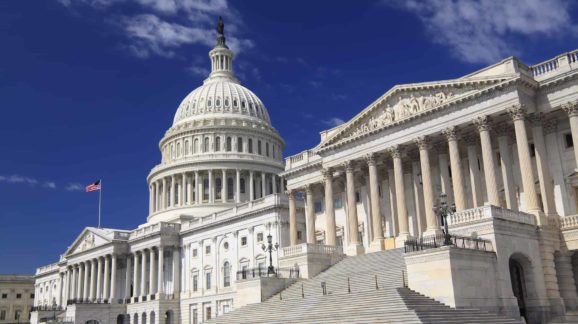
The rules Congress never gets to see
The 1996 Congressional Review Act (CRA) has been used to overturn only a few dozen federal regulatory directives since its enactment, most during the…
Search Posts
Blog
This Week in Ridiculous Regulations
The rate of new coronavirus cases increased last week, adding a note of caution to tentative efforts at reopening. Regulatory agencies issued new final regulations…
Blog
#NeverNeed Regulations and the Coronavirus
What is the appropriate public policy response to COVID-19 crisis? In a new short video, Kent Lassman makes the case for lifting government barriers that…
Blog
This Week in Ridiculous Regulations
Friday’s 13.3 percent unemployment rate announcement was actually good news, and says much about the more than 600 regulations waived so far at various levels…
Blog
Trump Executive Order to Expedite Project Approvals
President Trump on June 4 issued an Executive Order intended to expedite the federal approval process for major infrastructure projects. “Economic Recovery from the COVID-19…
Blog
Pandemics, #NeverNeeded Regulations, and Ten Thousand Commandments
At Inside Sources, Wayne Crews and Ryan Young have an op-ed summarizing the main findings of Wayne’s new 2020 edition of Ten Thousand Commandments, plus…
Blog
Time to Permanently Sunset Waived #NeverNeeded Regulations
Many regulations have proven especially harmful during the COVID-19 crisis. But many of those waivers are temporary. Those temporary waivers should be made permanent. One…
Staff & Scholars

Clyde Wayne Crews
Fred L. Smith Fellow in Regulatory Studies
- Business and Government
- Consumer Freedom
- Deregulation

Ryan Young
Senior Economist and Director of Publications
- Antitrust
- Business and Government
- Regulatory Reform

Fred L. Smith, Jr.
Founder; Chairman Emeritus
- Automobiles and Roads
- Aviation
- Business and Government

Sam Kazman
Counsel Emeritus
- Antitrust
- Automobiles and Roads
- Banking and Finance

Marlo Lewis, Jr.
Senior Fellow
- Climate
- Energy
- Energy and Environment