There are two main areas in which Congress can enact meaningful reform. The first is to rein in regulatory guidance documents, which we refer to as “regulatory dark matter,” whereby agencies regulate through Federal Register notices, guidance documents, and other means outside standard rulemaking procedure. The second is to enact a series of reforms to increase agency transparency and accountability of all regulation and guidance. These include annual regulatory report cards for rulemaking agencies and regulatory cost estimates from the Office of Management and Budget for more than just a small subset of rules.
In 2019, President Trump signed two executive orders aimed at stopping the practice of agencies using guidance documents to effectively implement policy without going through the legally required notice and comment process.
Featured Posts
Blog
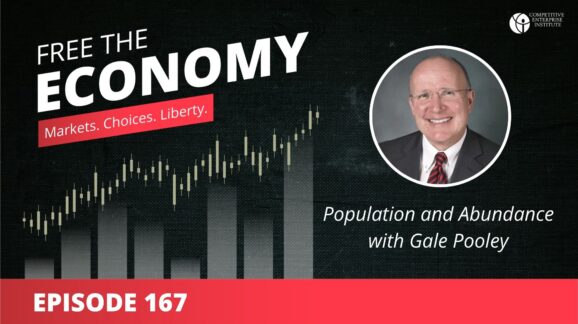
Free the Economy podcast: Population and abundance with Gale Pooley
In this week’s episode we cover income inequality, myths about homelessness, First Amendment protections for AI, and reforming unfunded mandates.

Blog
The week in regulations: Library pictures and aerobatic airplanes
The Iran war entered its fourth week. ICE agents might be reassigned to airport security. The Federal Reserve held interest rates steady. President Trump expressed…
Blog
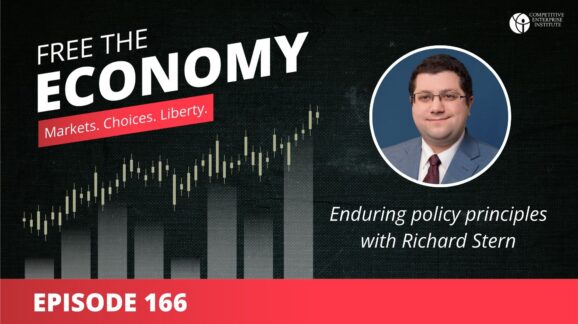
Free the Economy podcast: Enduring policy principles with Richard Stern
In this week’s episode we cover housing affordability, labor unions and train safety, the late Paul Ehrlich (1932-2026), and the late…
Search Posts
Op-Eds
Stop This Today! Unsolicited E-mail vs. Unsolicited Legislation
<?xml:namespace prefix = v ns = “urn:schemas-microsoft-com:vml” /><?xml:namespace prefix = o ns = “urn:schemas-microsoft-com:office:office” /><?xml:namespace prefix = w ns = “urn:schemas-microsoft-com:office:word” />In a…
News Release
CEI Files Comments on Proposed Travel Regulations
Full comments available in pdf format.<?xml:namespace prefix = o ns = “urn:schemas-microsoft-com:office:office” /> Contact for Interviews: …
News Release
FCC Should Repeal Media Ownership Rules
Contact for Interviews:<?xml:namespace prefix = o ns = “urn:schemas-microsoft-com:office:office” /> Jody Clarke, 202.331.2252 Washington, D.C., May…
Op-Eds
OMB OTL? What good is a sleeping watchdog?
What would you do if federal lawmakers proposed increasing annual taxes by $8,000 per household? You, and many other taxpayers, would likely retaliate in…
Products
April/May edition of CEI’s Monthly Planet
Full Document Available in PDF Article in this edition:…
Op-Eds
Avoid More Mandates
As more and more Americans become investors, paternalistic regulators are demanding greater disclosure by mutual funds to protect consumers from excessive brokerage commissions…
Staff & Scholars

Clyde Wayne Crews
Fred L. Smith Fellow in Regulatory Studies
- Business and Government
- Consumer Freedom
- Deregulation

Ryan Young
Senior Economist and Director of Publications
- Antitrust
- Business and Government
- Regulatory Reform
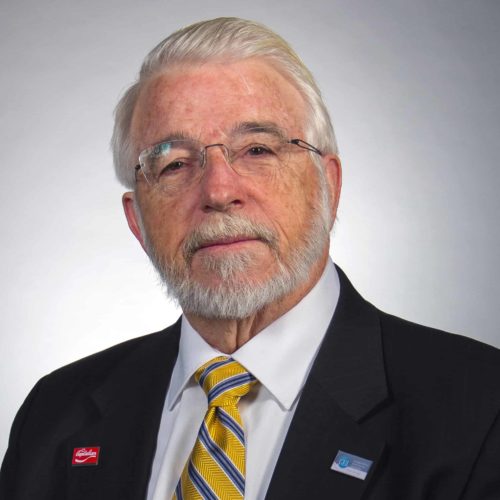
Fred L. Smith, Jr.
Founder; Chairman Emeritus
- Automobiles and Roads
- Aviation
- Business and Government

Sam Kazman
Counsel Emeritus
- Antitrust
- Automobiles and Roads
- Banking and Finance

Marlo Lewis, Jr.
Senior Fellow
- Climate
- Energy
- Energy and Environment