There are two main areas in which Congress can enact meaningful reform. The first is to rein in regulatory guidance documents, which we refer to as “regulatory dark matter,” whereby agencies regulate through Federal Register notices, guidance documents, and other means outside standard rulemaking procedure. The second is to enact a series of reforms to increase agency transparency and accountability of all regulation and guidance. These include annual regulatory report cards for rulemaking agencies and regulatory cost estimates from the Office of Management and Budget for more than just a small subset of rules.
In 2019, President Trump signed two executive orders aimed at stopping the practice of agencies using guidance documents to effectively implement policy without going through the legally required notice and comment process.
Featured Posts
Blog
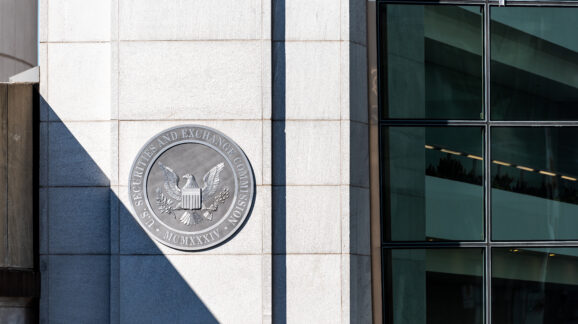
CEI urges SEC to return shareholder governance to states and firms
The Competitive Enterprise Institute (CEI) filed formal comments on November 20, 2026, supporting the Securities and Exchange Commission’s (SEC) proposal to rescind…

Blog
The regulatory turkey lost weight, but Washington’s still gobbling this Thanksgiving
With Thanksgiving approaching, we can celebrate a federal government regulatory turkey with a little less meat on its bones. That is, at least in…

Blog
The week in regulations: SIM cards and concrete permits
The FAA issued an hours-long nationwide ground stop due to its faulty computer systems. Outages also affected Microsoft, Apple, banks, and the NSA. President…
Search Posts
Op-Eds
The Green Machine
Click on pdf link above to obtain full version of article Twenty EU member and accession states labour under a cadre…
Op-Eds
Russian Revolution
On <?xml:namespace prefix = st1 ns = “urn:schemas-microsoft-com:office:smarttags” />December 2, 2003, Andrei Illarionov, Russian President Vladimir Putin's chief economic adviser, stunned green activists…
Op-Eds
Resentment, fear drive U.N. quest for control
There’s mounting evidence that the Internet’s good old days as a global cyberzone of freedom—where governments generally take a "hands off" approach—may be numbered.
Op-Eds
Wishful Anti-spam Thinking
Tomorrow, the House is expected to pass new anti-spam legislation. The effort is understandable: The increasingly apparent downside of an Internet on which you…
Op-Eds
Rescuing Free Trade From the Bureaucrats & Special Interests
Full article available in pdf format.<?xml:namespace prefix = o ns = “urn:schemas-microsoft-com:office:office” /> In the aftermath of the…
Study
The Power of Positive Drinking: Are Alcoholic Beverage Health Claims Constitutionally Protected
Full Document Available in PDF Food and…
Staff & Scholars

Clyde Wayne Crews
Fred L. Smith Fellow in Regulatory Studies
- Business and Government
- Consumer Freedom
- Deregulation

Ryan Young
Senior Economist and Director of Publications
- Antitrust
- Business and Government
- Regulatory Reform

Fred L. Smith, Jr.
Founder; Chairman Emeritus
- Automobiles and Roads
- Aviation
- Business and Government

Sam Kazman
Counsel Emeritus
- Antitrust
- Automobiles and Roads
- Banking and Finance

Marlo Lewis, Jr.
Senior Fellow
- Climate
- Energy
- Energy and Environment