DOL gets flexible on overtime
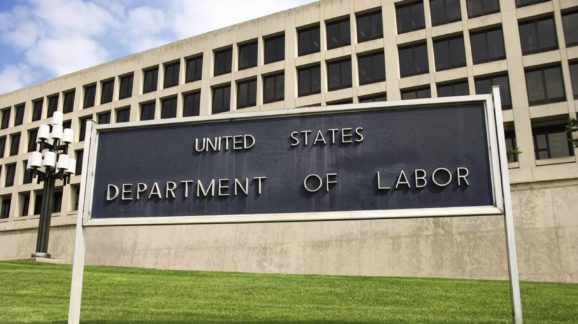
Photo Credit: Getty
The Department of Labor (DOL) will formally reverse a Biden-era rule that expanded the number of workers eligible for overtime on Friday. Courts had previously rejected the rule as overreaching. The decision is good news for workers and employers alike because it removes any lingering uncertainty about their ability to negotiate more flexible work arrangements.
The Fair Labor Standards Act (FLSA) requires that workers be paid time-and-a-half once a work week exceeds 40 hours. However, employers may exempt workers classified as managerial who meet a salary threshold.
In 2023, The Biden administration raised the income threshold from $35,500 to $44,000, and planned to increase it again to $59,000 annually by 2025. This was intended to expand the number of people receiving overtime. The administration’s union allies and labor-sympathetic lawmakers have long argued that companies abuse the exception by designating regular employees as managerial to get out of having to pay them overtime. Raising the threshold was meant to prevent this.
This one-size-fits-all approach did not necessarily benefit all workers. The Biden rule would have limited employers’ ability to offer work weeks longer than 40 hours in exchange for other considerations, such as the ability to work from home or additional time off during other weeks.
Overtime is rare because the FLSA rule makes it prohibitively expensive for many employers. Companies, especially smaller ones, frequently cannot afford to pay time-and-a-half and therefore closely monitor employee hours. The average work week in the US is just 34 hours. Under the Biden rule, employers would have been more likely to simply cut hours to avoid the extra expense.
The second increase to $59,000 never went into effect. Two Texas appeals courts vacated the rule in 2024. District Court Judge Sean Jordan said that DOL “exceeded the authority delegated by Congress” under the FLSA by basing the threshold entirely on salary while ignoring other parts of the law that focused on the worker’s duties.
As a result of the rulings, the overtime threshold reverted to $35,000. The Fifth Circuit Court dismissed appeals of those rulings the earlier this month. DOL said it will walk the rule back on Friday “[i]n light of these judgments.”
This decision means that workers willing to work extra hours can negotiate concessions from their employers without any lingering concern that the government will force them to stop.