Freelancers want to be free
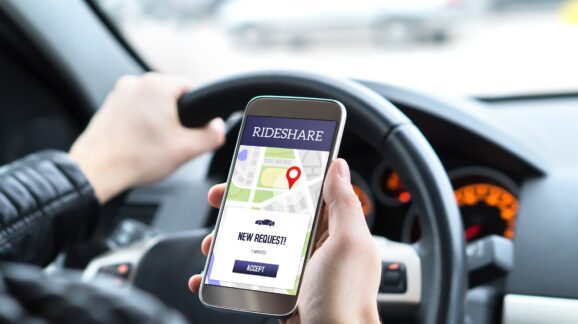
Photo Credit: Getty
The labor movement has been trying for years to organize gig economy workers, claiming that they are traditional employees being exploited by their bosses. The problem is that gig employees don’t view themselves that way and would much rather remain independent.
The latest evidence for this comes courtesy of a Politico poll on the subject. The survey found that 88 percent of app-based workers wanted to remain as independent contractors – that is, freelancers – rather than be treated as traditional employees.
The workers themselves aren’t buying the argument that they’re being exploited. The general public feels largely the same, if not quite so strongly. The same poll found that 76 percent thought that app-based workers should continue to be treated as independent contractors “if their employers are required to provide them with access to portable benefits.” (More on that caveat in a bit.)
The sentiment cut across party lines too, with 76 percent of Republicans supporting independent contractors staying that way, and 79 percent of Democrats taking the same position. The fact that Democrats are marginally more supportive suggests that more of them are doing the app-based work.
This matters because freelancers are much harder for unions to organize than traditional employees. The National Labor Relations Act (NLRA) and other workplace laws generally apply only to traditional employees. Independent contractors, by contrast, are legally considered to be separate businesses.
The NLRA gives unions many advantages during organizing bids that don’t apply to freelancers. Most app-based economy companies, such as rideshare businesses, use independent contractors exclusively. Unions have attempted to square this circle by lobbying to change the legal definition of traditional employment to cover app-based work.
A key point the unions have made is that independent contractors are being denied benefits they would receive under the law as traditional employees. Some app-based companies have endorsed portable benefit programs as an alternative, hence the inclusion of that option in the survey.
This issue has been fought over since the Obama administration, with both Democrat and Republican administrations going back and forth with rulemakings over the legal definition of traditional employment.
To app-based workers, the appeal of the work is the quick, short-term arrangements possible under that business model. Those wouldn’t be allowed under a traditional employment model, which requires employers to schedule workers’ hours. App-based jobs let the workers set their own schedules.
The Politico report framed the results as part of a public relations war, describing the results as “a sign that gig employers are currently winning the messaging battle over how app-based workers are classified.”
That’s one way of looking at it. Another is that the gig economy workers themselves are the catalyst here. After all, the polls show that app-based workers are more likely to support independent contractor status (88 percent), than the general public (76 percent), which includes people outside of the gig economy.
In short, the support for app-based workers retaining independent contractor status declines only when you include people who don’t do it themselves. App-based workers want their freedom. Perhaps we should listen to them first?