There are two main areas in which Congress can enact meaningful reform. The first is to rein in regulatory guidance documents, which we refer to as “regulatory dark matter,” whereby agencies regulate through Federal Register notices, guidance documents, and other means outside standard rulemaking procedure. The second is to enact a series of reforms to increase agency transparency and accountability of all regulation and guidance. These include annual regulatory report cards for rulemaking agencies and regulatory cost estimates from the Office of Management and Budget for more than just a small subset of rules.
In 2019, President Trump signed two executive orders aimed at stopping the practice of agencies using guidance documents to effectively implement policy without going through the legally required notice and comment process.
Featured Posts

Blog
Free the Economy podcast: The Overton Window with James Hohman
In this week’s episode we cover Treasury yields, oil prices, US-China-Taiwan security policy, and Trump’s $5,000 dividend checks. Our…

Blog
How The No Surprises Act worsened the problem of surprise bills
Next week, Sen. Bill Cassidy (R-LA) will convene a roundtable to discuss adjustments to the 2020 No Surprises Act, which has come under…
Blog
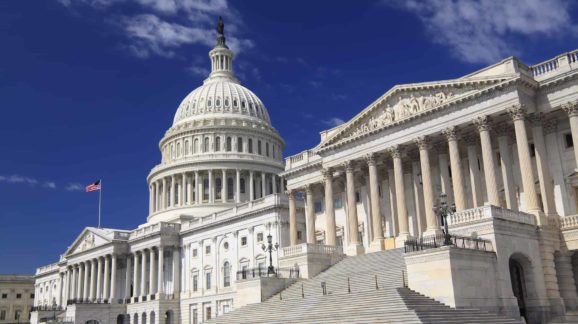
The rules Congress never gets to see
The 1996 Congressional Review Act (CRA) has been used to overturn only a few dozen federal regulatory directives since its enactment, most during the…
Search Posts
Blog
This Week in Ridiculous Regulations
Quarantine and stay-at-home orders will likely last through the end of April in many places. In more heartening news, governments are rolling back numerous #NeverNeeded…
Inside Sources
Bogus Lawsuits Continue to Haunt American Businesses
Inside Sources cites CEI’s joint coalition letter on the midnight litigation campaign: As the Obama administration began its midnight litigation campaign, a coalition…
Washington Examiner
Prepare for the next pandemic with a commission to kill #NeverNeeded regulations
The coronavirus pandemic needs a long-term policy response.
Blog
The #NeverNeeded Regulatory Reduction Commission
In a new Washington Examiner op ed, CEI Senior Fellow Ryan Young proposes a Regulatory Reduction Commission to act as a permanent watchdog to prevent #NeverNeeded…
Forbes
Phase 4 Coronavirus Infrastructure Spending To Start At $2 Trillion
There’s still a chance for what next juggernauts America’s way to be made more sensible. We can liberalize infrastructure and the regulation of it rather than…
Blog
This Week in Ridiculous Regulations
Coronavirus deaths topped 1,000 in the U.S. last week, while new cases continued to double every few days. Meanwhile, agencies issued new final regulations ranging…
Staff & Scholars

Clyde Wayne Crews
Fred L. Smith Fellow in Regulatory Studies
- Business and Government
- Consumer Freedom
- Deregulation

Ryan Young
Senior Economist and Director of Publications
- Antitrust
- Business and Government
- Regulatory Reform

Fred L. Smith, Jr.
Founder; Chairman Emeritus
- Automobiles and Roads
- Aviation
- Business and Government

Sam Kazman
Counsel Emeritus
- Antitrust
- Automobiles and Roads
- Banking and Finance

Marlo Lewis, Jr.
Senior Fellow
- Climate
- Energy
- Energy and Environment