There are two main areas in which Congress can enact meaningful reform. The first is to rein in regulatory guidance documents, which we refer to as “regulatory dark matter,” whereby agencies regulate through Federal Register notices, guidance documents, and other means outside standard rulemaking procedure. The second is to enact a series of reforms to increase agency transparency and accountability of all regulation and guidance. These include annual regulatory report cards for rulemaking agencies and regulatory cost estimates from the Office of Management and Budget for more than just a small subset of rules.
In 2019, President Trump signed two executive orders aimed at stopping the practice of agencies using guidance documents to effectively implement policy without going through the legally required notice and comment process.
Featured Posts

Blog
The week in regulations: Waters of the United States and ASCII formatting
The country reflected on the 25th anniversary of the September 11, 2001 terrorist attacks. President Trump promised a $5,000 check to every American adult…

Blog
The week in regulations: Honey taxes and airline delays
August’s job numbers were better than expected. President Trump threatened to cut off trade to all nations that export more to America than they…

Washington Examiner
It took 410 days to build the Empire State Building. Today, the EPA wouldn’t even pass the blueprint
When Congress gets back from its August recess, bipartisan permitting reform talks are expected to continue. There’s no reason…
Search Posts
Blog
CEI Weekly: CEI Battles Climate Change Policies
CEI weekly is a compilation of articles and blogs from CEI's staff. This week features CEI's response to disastrous climate change policies being pushed in…
Newsletter
Questionable Stimulus, EPA on CO2 and Underfunded Union Pensions
Experts question the economic wisdom of government stimulus spending. Critics of the Environmental Protection Agency’s plan to regulate carbon dioxide emissions point out the cost…
News Release
Unemployment Report, Real Solutions
Today's unemployment report showed the U.S. jobless rate reaching 9.8 percent, the highest since 1983. And although unemployment is referred to as a "lagging indicator"…
Newsletter
Credit Card Fees, Nike Resigns and EU Chemical Policy
Convenience store chain 7-Eleven lobbies for restrictions on credit card processing fees. Nike resigns from the board of the U.S. Chamber of Commerce in protest…
Blog
Big Labor’s Big Prize in Health Care “Reform”
In his Wall Street Journal column today, Holman Jenkins highlights one of the prizes at stake for organized labor in the current health care…
Blog
Rowdy Unionists Shout Down Opponents
Yesterday in Harrisburg, rowdy unionists disrupted a rally held by two Pennsylvania state legislators to promote legislation to end project labor agreements (PLAs), which…
Staff & Scholars

Clyde Wayne Crews
Fred L. Smith Fellow in Regulatory Studies
- Business and Government
- Consumer Freedom
- Deregulation

Ryan Young
Senior Economist and Director of Publications
- Antitrust
- Business and Government
- Regulatory Reform
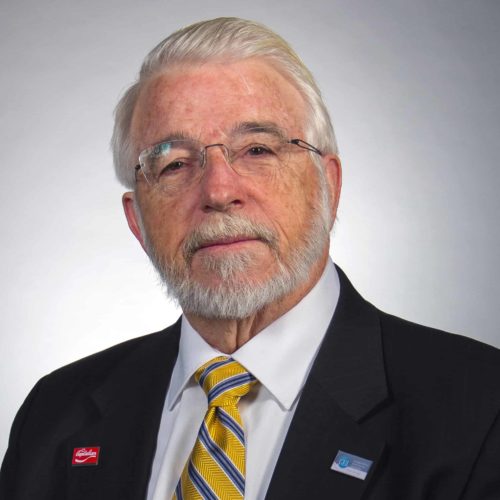
Fred L. Smith, Jr.
Founder; Chairman Emeritus
- Automobiles and Roads
- Aviation
- Business and Government

Sam Kazman
Counsel Emeritus
- Antitrust
- Automobiles and Roads
- Banking and Finance

Marlo Lewis, Jr.
Senior Fellow
- Climate
- Energy
- Energy and Environment