As a result, CEI experts have encouraged and supported trade-enhancing policies and treaties over the years, including “fast-track” Trade Promotion Authority, specific trade deals, and multilateral efforts such as the Doha round of the World Trade Organization. We have opposed increased tariffs, attempts to increase regulation through trade deal language, and the trend toward bilateral rather than multilateral deals. CEI continues to make the case for free trade in the face of increased bipartisan hostility to the idea.
CEI’s experts also work with like-minded colleagues abroad to oppose harmful initiatives, such as working with British colleagues to stop that country’s competition agency from blocking mergers between American firms based on speculative reasoning.
Featured Posts

Blog
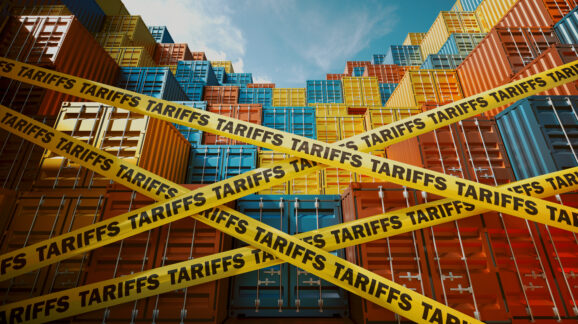
Section 338-tariff uncertainty highlights the knowledge problem
Last month, the Trump administration invoked Section 338 of the Tariff Act of 1930 to impose new 50 percent tariffs against Canada. A…
Blog
Protectionism in North America? Not again
Well before its ratification in 1993, the North American Free Trade Agreement (NAFTA) was scorned by its critics as a dangerous, unfair deal. CEI,…

Blog
The self-defeating trade policy affecting memory chips
Affordability is a major concern for many Americans. Whether you’re checking out at the grocery store, filling up at the gas station, or paying…
Search Posts
Letters
Letter to the U.S. House of Representatives on HR 2642, The FARRM Act
Dear Representative, The House is slated to vote on H.R. 2642, the Federal Agriculture Reform and Risk Management Act (FARRM Act). This bloated…
News Release
House Votes to Permanently Extend Taxpayer Fleecing in Farm Bill
Washington, D.C., July 11, 2013 – Today, the House of Representatives approved the 2013 Farm Bill on a mostly partisan vote of 216-208. No Democrats…
Blog
European Court Invalidates “Whole-Life” Sentences: Fuzzy International Norms Erode Sovereignty, Freedoms, and Safety
It's common to see supporters of U.S. ratification of international treaties claim that they will not radically uproot existing U.S. practices or freedoms, because their…
Blog
Austerity Means Cuts, Not More Spending
Despite its frequent use through the media and in political debate, few journalists and politicians actually use the term “austerity” correctly. But Cypriot Finance Minister…
Op-Eds
Beware the Myth of European Austerity
Beware the Myth of European Austerity “France’s Austerity Drive Pushes Country into Recession.” “How Austerity Has Failed.” Thus proclaim two recent, typical…
Op-Eds
Europe’s lessons on austerity success
With the U.S. national debt about to pass the $17 trillion mark – more than America’s total economic activity in 2012 – and federal interest…