As a result, CEI experts have encouraged and supported trade-enhancing policies and treaties over the years, including “fast-track” Trade Promotion Authority, specific trade deals, and multilateral efforts such as the Doha round of the World Trade Organization. We have opposed increased tariffs, attempts to increase regulation through trade deal language, and the trend toward bilateral rather than multilateral deals. CEI continues to make the case for free trade in the face of increased bipartisan hostility to the idea.
CEI’s experts also work with like-minded colleagues abroad to oppose harmful initiatives, such as working with British colleagues to stop that country’s competition agency from blocking mergers between American firms based on speculative reasoning.
Featured Posts

Blog
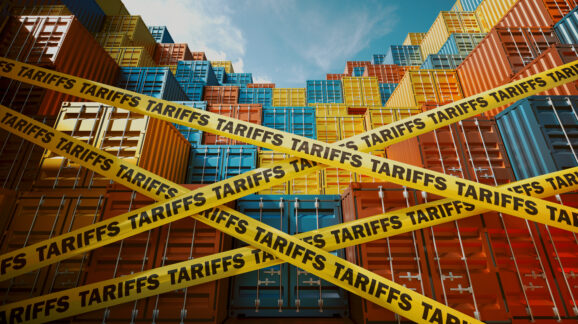
One lesson protectionists forgot: Trade interventions backfire
It’s not just tariffs that backfire in trade policy. The government has a long history of similar failures. Between 1934 and 1941, the Treasury…

Blog
Section 338-tariff uncertainty highlights the knowledge problem
Last month, the Trump administration invoked Section 338 of the Tariff Act of 1930 to impose new 50 percent tariffs against Canada. A…
Blog
Protectionism in North America? Not again
Well before its ratification in 1993, the North American Free Trade Agreement (NAFTA) was scorned by its critics as a dangerous, unfair deal. CEI,…
Search Posts
Blog
Stimulus Money Went to Prisoners and Dead People
17,000 prison inmates received checks courtesy of the $800 billion stimulus package, notes the Associated Press. $18 million in checks went to dead…
Blog
CEI Weekly: United Auto Workers Shut Down GM Plant
CEI Weekly is a compilation of articles and blogs from CEI staff. This week features Vincent Vernuccio's October 1st interview on Fox Business' Varney &…
Blog
CEI Podcast – October 7, 2010: Trade, Jobs, and Korea
CEI Adjunct Fellow Fran Smith talks about the EU-Korea free trade agreement that takes effect next year, and why the US-Korea FTA stalled, to the…
Blog
Skilled Immigrants: More, Please
For every H-1B position requested, U.S. technology firms increase their employment by five workers. The government's artificial limit on skilled immigration is prolonging the recession.
Blog
EU-Korea Trade Pact Will Hurt U.S. Without its Own FTA
As the European Union signs a trade pact with South Korea, U.S. manufacturers are calling on policymakers to approve the U.S.-Korea Free Trade…
Blog
Job Losses and Productivity Gains
I came across this chart tracking U.S. manufacturing jobs and U.S. productivity over the past 38 years (posted yesterday by Mark Perry). It’s worth…