Whether it is lifting net neutrality regulations, allowing AI to reach its full potential to benefit mankind, educating policy makers about content moderation, clearing legacy regulations at the Federal Communications Commission, advocating for greater spectrum efficiency, or defending business practices that benefit consumers but are disliked by antitrust enforcers, CEI punches above its weight. Coalition activity, relationships with tech and telecom journalists, media appearances, policy events, Capitol Hill outreach, op-eds, and in-depth studies combine to make CEI influential in the tech and telecom policy area.
Tech and Telecom Issue Areas
Featured Posts

Blog
Protestations aside, Washington wants to regulate AI. It also wants to run it
Washington’s latest AI summit between Trump and tech executives was billed largely as a meeting about safety. Ultimately, it was a meeting about something…
Blog
Stop rogue government AI
Performative Washington, responsible for funding AI weaponry and R&D for years, purports to have suddenly discovered the dangers of artificial intelligence. Recent incidents…

Blog
Jimmy Kimmel and the FCC: No time for equal time
The Federal Communications Commission’s (FCC) “equal time” rule aims to foster competing voices and ensure opportunities for debate. It was created in an era…
Search Posts
Op-Eds
End Subsidies for Nanotechnology
Op-Eds
UN-Dermining the Net
There's mounting evidence that the Internet's good old days as a globalcyberzone of freedom—where governments generally take a “hands off” approach—may be numbered. [Last year] delegates from 192 countries met in <?xml:namespace prefix = st1 ns = “urn:schemas-microsoft-com:office:smarttags” />Geneva to discuss how the Internet should be governed and what steps should be taken to solve the global “digital divide” and “harness the potential of information” onbehalf of the world's poor. Also on the table at the session—the UnitedNations World Summit on the Information Society—was the question of domainname management and how much protection free speech and expression shouldreceive on the Net. The real issue, however, is whether a “United Nations forthe Internet” is on the way. The great advantage of the Net is precisely the ability to reach as many peopleas possible and overcome artificial restrictions on trade or communications attraditional geographic boundaries. The Web, whatever problems it has raised,has provided far more opportunity and freedom to mankind. The United Nationsappears eager to assume greater control over the Net, not because of itsfailures, but because it undermines members' authority. That sounds like thebest reason ever to make sure a United Nations for the Internet never becomes areality. …
Op-Eds
Everybody Wants to Rule the Web
There’s mounting evidence that the Internet’s good old days as a global cyberzone of freedom—where governments generally take a “hands off” approach—may be numbered.
Products
December Edition of the Monthly Planet
Full Document Available in PDF Articles in this edition:…
Op-Eds
Resentment, fear drive U.N. quest for control
There’s mounting evidence that the Internet’s good old days as a global cyberzone of freedom—where governments generally take a "hands off" approach—may be numbered.
Op-Eds
Patent Nonsense on GMOs Should Be Debunked
It may now seem daring to say, but in a decade's time GM foods are likely to be as widely accepted in kitchens…
Staff & Scholars

Jessica Melugin
Director of the Center for Technology & Innovation
- Antitrust
- Innovation
- Media, Speech and Internet Freedoms

Clyde Wayne Crews
Fred L. Smith Fellow in Regulatory Studies
- Business and Government
- Consumer Freedom
- Deregulation
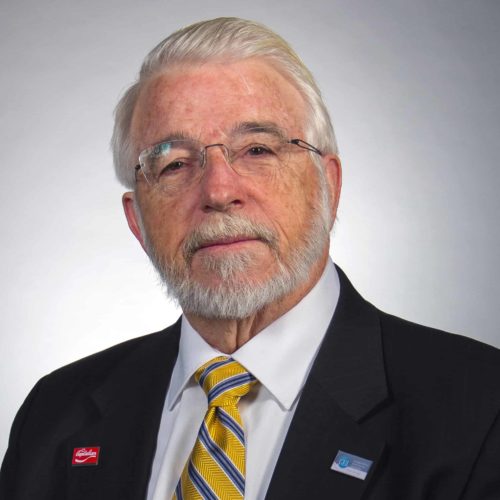
Fred L. Smith, Jr.
Founder; Chairman Emeritus
- Automobiles and Roads
- Aviation
- Business and Government