Whether it is lifting net neutrality regulations, allowing AI to reach its full potential to benefit mankind, educating policy makers about content moderation, clearing legacy regulations at the Federal Communications Commission, advocating for greater spectrum efficiency, or defending business practices that benefit consumers but are disliked by antitrust enforcers, CEI punches above its weight. Coalition activity, relationships with tech and telecom journalists, media appearances, policy events, Capitol Hill outreach, op-eds, and in-depth studies combine to make CEI influential in the tech and telecom policy area.
Tech and Telecom Issue Areas
Featured Posts
News Release
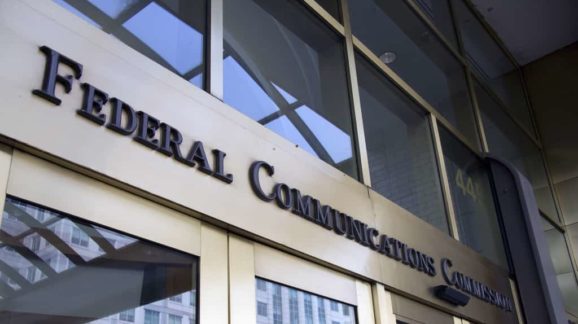
FCC’s license-renewal reviews of ABC stations chill disfavored speech
On Tuesday, the U.S. District Court heard arguments in a First Amendment lawsuit by ABC television stations against the Federal Communications Commission (FCC), seeking…

Blog
Protestations aside, Washington wants to regulate AI. It also wants to run it
Washington’s latest AI summit between Trump and tech executives was billed largely as a meeting about safety. Ultimately, it was a meeting about something…
Blog
Stop rogue government AI
Performative Washington, responsible for funding AI weaponry and R&D for years, purports to have suddenly discovered the dangers of artificial intelligence. Recent incidents…
Search Posts
Citation
In A Tangle
News Release
Bush Administration Makes Right Decision on Phone Competition
<?xml:namespace prefix = st1 ns = “urn:schemas-microsoft-com:office:smarttags” />Washington, DC, June 9, 2004 – Today the U.S. Solicitor General's office announced it will not…
Op-Eds
Should the Government Fund Nanotechnology Research?
Full article available as pdf. …
Op-Eds
Why the Telecommunications Industry Is Not Like OPEC
A recent cover story in the April 1 issue of America’s Network magazine claims that the four2 Regional Bell Operating Companies (RBOCs) are “increasingly coordinating…
Op-Eds
Google Gmail Jousting
<?xml:namespace prefix = o ns = “urn:schemas-microsoft-com:office:office” /> The Google Internet search engine embodies the classic tale of the garage-based…
News Release
Crews Rejoins CEI as Vice President for Policy
Contact for Interviews: Richard Morrison, 202-331-2273 Washington, D.C., May 11, 2004—The Competitive Enterprise Institute is pleased to announce the return of Clyde Wayne Crews Jr.
Staff & Scholars

Jessica Melugin
Director of the Center for Technology & Innovation
- Antitrust
- Innovation
- Media, Speech and Internet Freedoms

Clyde Wayne Crews
Fred L. Smith Fellow in Regulatory Studies
- Business and Government
- Consumer Freedom
- Deregulation

Fred L. Smith, Jr.
Founder; Chairman Emeritus
- Automobiles and Roads
- Aviation
- Business and Government